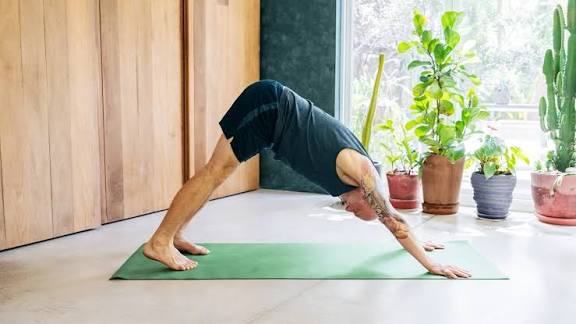
Best Stretching Exercises for Recovery and Flexibility
Stretching is one of the simplest ways to improve recovery and increase flexibility after exercise. Many people focus on strength training, cardio, or calisthenics but overlook the importance of stretching. Adding a few minutes of stretching to your fitness routine can help reduce muscle tightness, improve mobility, and prepare your body for future workouts.
Whether you are a beginner or an experienced athlete, regular stretching supports better movement, enhances exercise performance, and contributes to long-term physical health. This guide explains the benefits of stretching and highlights some of the best stretching exercises for recovery and flexibility.
Why Stretching Is Important?
- Every workout places stress on your muscles, joints, and connective tissues. After exercise, your muscles may feel tight or sore due to repeated movement and physical effort.
- Stretching helps your body recover by improving flexibility and maintaining a healthy range of motion. It also supports better posture, smoother movement, and overall comfort during daily activities.
- When combined with proper nutrition, hydration, and quality sleep, stretching becomes an important part of a complete recovery routine.
Benefits of Stretching
Regular stretching provides several benefits for both fitness and overall well-being.
Some of the main benefits include:
- Improves flexibility
- Increases joint mobility
- Reduces muscle tightness
- Supports recovery after exercise
- Promotes better posture
- Improves movement quality
- Helps prepare muscles for future workouts
- Encourages relaxation after training
Practicing these exercises consistently can help you move more comfortably and perform better during physical activity.
When Should You Stretch?
Stretching can be performed at different times depending on your goals.
After Your Workout
Post-workout stretching is one of the best times to improve flexibility because your muscles are already warm. Gentle stretching after exercise may help reduce stiffness and improve mobility.
On Recovery Days
Stretching is also an excellent activity on rest days. It helps keep your body moving without placing excessive stress on your muscles.
During Daily Life
Even if you do not exercise every day, stretching regularly can improve posture and reduce tightness caused by prolonged sitting.
Best Stretching Exercises for Recovery and Flexibility
Hamstring Stretch
The hamstrings are located at the back of your thighs and often become tight after running, strength training, or long periods of sitting.
Benefits:
- Improves flexibility
- Reduces tightness
- Supports lower-body mobility
Hold the stretch gently without bouncing and breathe normally.
Quadriceps Stretch
- The quadriceps are the muscles at the front of your thighs.
- Stretching them can improve flexibility after activities such as squats, lunges, cycling, and calisthenics.
Benefits:
- Improves thigh flexibility
- Supports knee movement
- Reduces muscle tightness
Hip Flexor Stretch
- Hip flexors often become tight from sitting for long periods.
- Stretching these muscles can improve hip mobility and support better posture.
Benefits:
- Improves hip flexibility
- Encourages better movement
- Helps reduce stiffness
Calf Stretch
- Your calf muscles work during walking, running, jumping, and many lower-body exercises.
- Stretching them supports ankle mobility and flexibility.
Benefits:
- Improves ankle movement
- Reduces calf tightness
- Supports lower-body recovery
Chest Stretch
- Push-ups, dips, and other upper-body exercises can leave your chest muscles feeling tight.
- Stretching the chest encourages better posture and shoulder mobility.
Benefits:
- Opens the chest
- Improves posture
- Reduces upper-body tightness
Shoulder Stretch
- Healthy shoulder mobility is important for many calisthenics skills and everyday movements.
- A gentle shoulder stretch helps improve flexibility while reducing muscle tension.
Benefits:
- Improves shoulder mobility
- Supports upper-body movement
- Helps reduce stiffness
Triceps Stretch
- The triceps work during pushing exercises such as push-ups and dips.
- Stretching them after training can improve arm flexibility and comfort.
Benefits:
- Improves arm mobility
- Supports recovery
- Reduces muscle tightness
Child’s Pose
- Child’s Pose is a gentle full-body stretch commonly used in yoga.
- It stretches the back, shoulders, hips, and legs while promoting relaxation.
Benefits:
- Relaxes the body
- Improves flexibility
- Reduces muscle tension
Cat-Cow Stretch
This movement gently mobilizes the spine while encouraging flexibility in the back and shoulders.
Benefits:
- Improves spinal mobility
- Encourages better posture
- Helps reduce stiffness
Move slowly and comfortably throughout the exercise.
Butterfly Stretch
- The Butterfly Stretch targets the inner thighs and hips.
- It is especially useful for improving lower-body flexibility.
Benefits:
- Improves hip mobility
- Increases inner thigh flexibility
- Supports better movement
Tips for Safe Stretching
Stretching should always feel comfortable rather than painful.
Keep these tips in mind:
- Warm up before deep stretching.
- Stretch slowly and gently.
- Avoid bouncing.
- Breathe normally throughout each stretch.
- Stretch both sides equally.
- Stop immediately if you feel pain.
- Stay consistent for the best results.
Consistent, gentle stretching helps improve flexibility and support recovery more effectively than performing intense stretching sessions only once in a while.
Common Stretching Mistakes
Many people unknowingly reduce the benefits of stretching through poor habits.
Avoid these common mistakes:
- Stretching cold muscles intensely
- Holding your breath
- Rushing through stretches
- Ignoring proper technique
- Stretching beyond your comfort level
- Being inconsistent with your routine
Correcting these habits can make stretching safer and more effective.
How Often Should You Stretch?
- Most people benefit from stretching several times each week.
- For individuals who exercise regularly, adding 5 to 10 minutes of stretching after workouts can support flexibility and recovery.
- Even short daily stretching sessions can gradually improve mobility over time.
- Consistency is more important than performing long stretching routines occasionally.
Stretching and Recovery Work Together
Stretching is only one part of a complete recovery routine.
For the best results, combine stretching with:
- Balanced nutrition
- Proper hydration
- Quality sleep
- Regular rest days
- Active recovery
- Consistent exercise
These healthy habits work together to support muscle recovery and long-term physical performance.
Final Thoughts
Including the best stretching exercises for recovery and flexibility in your fitness routine can improve mobility, reduce muscle tightness, and support overall recovery after exercise. Whether you practice calisthenics, strength training, or simply want to move more comfortably, regular stretching helps your body stay flexible and prepared for future activity.
Remember that flexibility improves gradually through consistency. By combining stretching with proper nutrition, hydration, quality sleep, and regular exercise, you can build a healthier body, recover more effectively, and continue making steady progress toward your fitness goals.