THE IMPORTANCE OF REST DAYS

The Importance of Rest Days: Why Your Body Needs Recovery

  • Many people believe that training every day is the fastest way to achieve their fitness goals. While regular exercise is important, recovery is equally essential for building strength, improving performance, and maintaining long-term health. Rest days allow your body to repair itself after physical activity, helping you return to your next workout feeling stronger and more energized.
  • Whether you practice calisthenics, lift weights, or participate in other forms of exercise, including rest days in your routine can support steady progress and reduce the risk of overtraining. Rather than thinking of rest as time away from fitness, consider it an essential part of your training plan that allows your body to recover, adapt, and return stronger for your next workout.
  • This guide explains why rest days matter, how they benefit your body, and how to make the most of your recovery time.

What Is a Rest Day?

A rest day is a planned day when you reduce or completely avoid intense physical exercise. It gives your muscles, joints, and nervous system time to recover from the stress created during training.

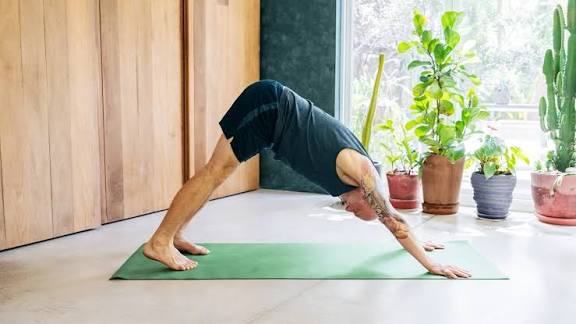
Rest days do not necessarily mean doing nothing. Many people choose light activities such as walking, stretching, yoga, or gentle mobility exercises to stay active without placing significant demands on the body.

Why Are Rest Days Important?

  • Every workout challenges your body. During strength training or calisthenics, your muscles undergo controlled stress that activates the body’s natural repair process, helping them adapt, grow stronger, and improve over time. Recovery allows these muscles to repair and gradually become stronger.
  • Without enough recovery time, your body may struggle to keep up with the demands of frequent exercise, which can slow your progress and increase fatigue.

Rest days help:

  • Support muscle repair
  • Restore energy levels
  • Improve workout performance
  • Reduce physical fatigue
  • Lower the risk of overtraining
  • Support long-term consistency

Recovery is where many of the benefits of exercise actually take place.

Supports Muscle Recovery

  • Muscle growth does not occur while you are exercising. Instead, your body repairs muscle tissue after your workout during the recovery period.
  • Giving your muscles enough time to recover helps prepare them for future training sessions and supports gradual improvements in strength.
  • Combining rest with balanced nutrition and adequate protein intake creates an ideal environment for muscle recovery.

Restores Energy Levels

  • Exercise uses stored energy to fuel movement. Rest days allow your body to replenish these energy stores, helping you feel refreshed for your next workout.
  • Returning to training with restored energy often improves workout quality and overall performance.

Helps Prevent Overtraining

Training too often without adequate recovery can place excessive stress on your body.

Possible signs of overtraining include:

  • Constant fatigue
  • Reduced workout performance
  • Persistent muscle soreness
  • Difficulty sleeping
  • Low motivation
  • Slower recovery
  • Increased risk of injury

Scheduling regular rest days helps reduce the likelihood of these problems.

Supports Better Performance

Many people assume that taking a day off will slow their progress. In reality, proper recovery often helps improve performance.

When your body has time to recover, you may notice:

  • Better strength
  • Improved endurance
  • Increased focus
  • More energy
  • Better movement quality

Training while fully recovered usually leads to more productive workouts.

Protects Your Joints

  • Exercise places repeated stress on your joints, tendons, and ligaments.
  • Rest days give these structures time to recover, reducing accumulated strain from repetitive movements.
  • This is particularly important for exercises involving pushing, pulling, jumping, or high training volumes.

Supports Mental Recovery

  • Recovery is not only physical but also mental.
  • Training intensely every day may eventually lead to mental fatigue or reduced motivation.
  • Taking planned rest days allows you to recharge mentally, helping you stay motivated and enjoy your workouts over the long term.

Improve Sleep During Recovery

  • Quality sleep is essential for effective recovery, allowing your body to repair muscle tissue, restore energy levels, and prepare for stronger, more productive workouts.
  • During sleep, your body performs many repair processes that support muscle recovery and overall health.

To improve sleep quality:

  • Maintain a consistent bedtime.
  • Reduce screen time before sleeping.
  • Keep your bedroom cool and comfortable.
  • Avoid heavy meals immediately before bed.
  • Aim for enough sleep each night.

Good sleep and regular rest days work together to support recovery.

Nutrition Still Matters on Rest Days

Some people believe they should eat much less on rest days. However, your body continues repairing muscle tissue even when you are not exercising.

Continue eating balanced meals that include:

  • Protein
  • Complex carbohydrates
  • Healthy fats
  • Fruits
  • Vegetables
  • Plenty of water

Proper nutrition supports the recovery process and prepares your body for future workouts.

Active Recovery vs Complete Rest

Rest days don’t always have to involve complete inactivity, as gentle, low-intensity activities can support recovery while allowing your body time to repair and recharge.

   1.Active Recovery

Active recovery involves low-intensity activities that increase blood circulation, reduce muscle stiffness, and support recovery without placing excessive strain on your body.

Examples include:

  • Walking
  • Light cycling
  • Gentle stretching
  • Yoga
  • Mobility exercises

   2.Complete Rest

  • Complete rest means avoiding structured exercise altogether.
  • Both approaches can be beneficial depending on how your body feels and the intensity of your recent workouts.

How Often Should You Take Rest Days?

The ideal number of rest days depends on factors such as:

  • Fitness level
  • Training intensity
  • Exercise frequency
  • Recovery ability
  • Personal goals

Many beginners benefit from one or two rest days each week, while more experienced athletes may structure recovery differently based on their training programs.

Learning to recognize your body’s signals can help you make smarter training decisions, improve recovery, and maintain consistent progress toward your fitness goals.

Common Mistakes to Avoid

Many people unintentionally slow their progress by neglecting recovery.

Common mistakes include:

  • Training intensely every day
  • Ignoring muscle soreness
  • Sleeping too little
  • Eating too little protein
  • Not drinking enough water
  • Returning to exercise before fully recovering
  • Feeling guilty about taking rest days

Avoiding these habits can help support better long-term progress.

Signs You May Need a Rest Day

Your body often signals when additional recovery is needed.

Watch for signs such as:

  • Ongoing muscle soreness
  • Reduced strength
  • Low motivation
  • Constant tiredness
  • Poor workout performance
  • Difficulty concentrating
  • Trouble sleeping

Recognizing these signs early allows you to recover before excessive fatigue develops.

Build Recovery Into Your Routine

Rather than treating rest days as interruptions, include them as a planned part of your weekly schedule.

Simple recovery habits include:

  • Sleep consistently.
  • Eat balanced meals.
  • Stay hydrated.
  • Stretch regularly.
  • Practice active recovery.
  • Manage stress.
  • Follow a realistic training schedule.

Small, consistent recovery habits can support long-term fitness success.

Final Thoughts

Understanding the importance of rest days can help you train more effectively and maintain steady progress over time. Rest days allow your muscles, joints, and nervous system to recover from exercise, helping improve strength, reduce fatigue, and support better overall performance.

Remember that recovery is not a sign of weakness—it is an essential part of becoming stronger. By combining regular exercise with quality sleep, balanced nutrition, proper hydration, and planned rest days, you can build a sustainable fitness routine that supports long-term health, performance, and continuous improvement

HOW TO RECOVER FAST : COMLETE GUIDE

How to Recover Faster After a Workout: Complete Recovery Guide

  • Recovery is a crucial part of any fitness journey, helping your body repair, rebuild, and prepare for continued progress after every workout.Exercise provides the challenge needed for growth, but the greatest improvements occur after your workout as your body repairs muscle tissue, restores energy, and adapts to become stronger over time.Whether you practice calisthenics, lift weights, run, or participate in sports, proper recovery helps reduce fatigue, supports muscle repair, and prepares you for your next training session.
  • Many beginners focus only on exercise and overlook recovery. However, training without enough rest can slow progress and increase the risk of overuse injuries. A balanced recovery routine allows your body to rebuild, improve performance, and maintain consistent progress over time.
  • This complete guide explains how to recover faster after a workout and the simple habits that support long-term fitness success.

Why Recovery Is Important

Every workout places controlled stress on your muscles, joints, and nervous system, encouraging your body to recover, adapt, and gradually become stronger over time. During strength training, small tears develop in muscle fibers. Recovery is the process through which your body repairs these fibers, helping them become stronger and more prepared for future workouts.

Good recovery can help:

  • Support muscle repair
  • Reduce fatigue
  • Improve exercise performance
  • Prepare your body for the next workout
  • Lower the risk of overtraining
  • Maintain long-term consistency

Proper recovery is just as important as regular exercise, as it helps your body repair, adapt, and build strength for continued progress over time.

Prioritize Quality Sleep

Quality sleep is one of the most important factors in post-workout recovery, allowing your body to repair muscle tissue, restore energy, and prepare for your next training session. During sleep, your body performs many important repair processes that support muscle growth and overall health.

Poor sleep may reduce energy levels, affect workout performance, and slow recovery.

To improve sleep quality:

  • Maintain a regular sleep schedule.
  • Create a comfortable sleeping environment.
  • Limit screen time before bed.
  • Avoid large meals late at night.
  • Aim for enough sleep each night based on your individual needs.

Consistent sleep habits can make a noticeable difference in your recovery.

Eat a Balanced Post-Workout Meal

Nutrition plays a major role in recovery. After exercise, your body needs nutrients to replenish energy stores and repair muscle tissue.

A balanced meal should include:

  • Protein to support muscle repair
  • Complex carbohydrates to restore energy
  • Healthy fats in moderate amounts
  • Fruits and vegetables for vitamins and minerals

Examples include:

  • Grilled chicken with brown rice and vegetables
  • Greek yogurt with fruit and oats
  • Lentils with whole-grain rice
  • Eggs with whole-grain toast

Whole foods provide the nutrients your body needs for effective recovery.

Stay Hydrated

  • Your body loses fluids through sweat during exercise. Replacing these fluids helps support normal body functions and recovery.
  • Maintain proper hydration by drinking water regularly throughout the day, as consistent fluid intake helps support overall health, exercise performance, and recovery.

Proper hydration helps:

  • Regulate body temperature
  • Support muscle function
  • Transport nutrients
  • Replace fluids lost during exercise

Carrying a reusable water bottle can help you build consistent hydration habits.

Include Active Recovery

Recovery does not always mean complete rest. Light physical activity can help maintain circulation and reduce stiffness after intense workouts.

Examples of active recovery include:

  • Walking
  • Gentle cycling
  • Easy swimming
  • Light yoga
  • Mobility exercises

Choose activities that feel comfortable and do not place excessive stress on your body.

Stretch After Training

  • Stretching can help improve flexibility and reduce muscle tightness after exercise.
  • Focus on the muscles you trained during your workout and perform gentle stretches without bouncing.
  • Hold each stretch for around 15 to 30 seconds while breathing normally.
  • Stretching should feel comfortable, not painful.

Don’t Skip Rest Days

Many people believe training every day produces faster results, but recovery is when your body adapts and becomes stronger.

Rest days allow:

  • Muscle repair
  • Reduced fatigue
  • Mental recovery
  • Lower injury risk
  • Better long-term performance

Including at least one or two rest days each week can support consistent progress.

Manage Training Intensity

  • Consistently pushing your body through intense workouts without allowing enough recovery can increase fatigue, reduce performance, and slow your long-term fitness progress.
  • Instead, balance challenging workouts with lighter training days to give your body adequate time to recover.
  • Listening to your body’s signals is an important part of long-term fitness.

Reduce Everyday Stress

Recovery is influenced by more than exercise alone. High stress levels may affect sleep, energy, and overall recovery.

Simple stress-management techniques include:

  • Deep breathing
  • Meditation
  • Reading
  • Spending time outdoors
  • Relaxing hobbies
  • Gentle stretching

Managing daily stress supports both physical and mental well-being.

Recognize Signs That You Need More Recovery

Your body often signals when it needs additional rest.

Common signs include:

  • Ongoing muscle soreness
  • Low energy levels
  • Poor workout performance
  • Difficulty sleeping
  • Lack of motivation
  • Feeling unusually tired
  • Slower recovery between workouts

If these signs persist, consider reducing training intensity and prioritizing recovery.

Common Recovery Mistakes

Avoid these habits that may slow your progress:

  • Skipping sleep
  • Ignoring hydration
  • Eating too little after exercise
  • Training intensely every day
  • Skipping rest days
  • Neglecting warm-ups and cool-downs
  • Returning to exercise before fully recovering

Building healthy recovery habits can improve long-term performance.

Should You Use Recovery Supplements?

  • Many supplements claim to speed up recovery, but they are not essential for most people.
  • A balanced diet, adequate hydration, quality sleep, and consistent training usually provide the foundation for effective recovery.
  • Supplements should never replace healthy lifestyle habits.

Build a Sustainable Recovery Routine

The best recovery plan is one you can follow consistently.

Simple habits include:

  • Sleep well every night.
  • Eat balanced meals.
  • Stay hydrated.
  • Stretch after workouts.
  • Include active recovery.
  • Schedule regular rest days.
  • Increase training gradually.

These habits work together to support both recovery and performance.

Recovery Takes Time

  • Progress in fitness does not happen overnight. Your body needs time to repair, strengthen, and adapt after each workout.
  • Rather than rushing back into intense exercise, allow your body enough time to recover so you can train consistently over the long term.
  • Patience and consistency often produce better results than constantly pushing beyond your limits.

Final Thoughts

Knowing how to recover faster after a workout is just as important as choosing the right training program. Recovery allows your muscles to repair, restores energy, and prepares your body for future workouts. By prioritizing quality sleep, balanced nutrition, proper hydration, active recovery, stretching, and regular rest days, you create the ideal environment for steady progress.

Remember that fitness is built through a combination of effective training and smart recovery. Developing healthy recovery habits today can help you improve performance, reduce the risk of injury, and achieve your long-term fitness goals with confidence.

HOW MANY CALORIES DO YOU NEED TO BUILD MUSCLE ?

How Many Calories Do You Need to Build Muscle?

  • Building muscle takes more than just working out.
    Even though exercises like lifting weights or doing bodyweight moves make your muscles grow, your body also needs enough food energy to repair the muscles and help them recover.Calories are important for this.Many new people focus only on eating enough protein, but the total number of calories you eat is just as important when trying to gain muscle.
  • The number of calories you need depends on your age, weight, how active you are, how hard you train, and what you’re trying to achieve.
  • Eating too few calories can stop muscle growth, while eating too many can lead to gaining too much fat.This guide explains how calories affect building muscle and how to find the right amount for your goals.

What Are Calories?

Calories are units of energy that your body uses to do all the things you do every day.
From breathing and digesting food to moving around and exercising, everything needs energy.

The food you eat gives you calories from three main types of nutrients:

  • Carbohydrates
  • Protein
  • Healthy fats

Your body uses these calories to help you work out, recover from training, and build new muscle after you exercise.

Why Calories Matter for Muscle Growth?

Growing muscle uses a lot of energy.
After working out, your muscles repair small damages and get stronger over time.

If you don’t get enough calories, your body might not have enough energy to fully support muscle growth.
Even if you’re eating enough protein, eating too little often makes it harder to build muscle over time.

Getting the right amount of calories helps with:

  • Muscle recovery
  • Strength
  • Performance during training
  • Energy throughout the day
  • Overall health

Understanding Your Maintenance Calories

Maintenance calories are the daily amount of energy your body needs to support normal activities and keep your body weight stable without significant gain or loss.

This number depends on:

  • Your weight
  • Your height
  • Your age
  • Your gender
  • How active you are
  • Your workout routine

Knowing your maintenance calorie needs can help you decide if you need to eat more or less based on your fitness goals.

Is a Calorie Surplus Necessary for Muscle Growth?

  • For many people, consuming a modest calorie surplus provides the extra energy needed to support muscle repair, recovery, and steady muscle growth when combined with consistent strength training.
  • A small surplus gives your body extra energy to repair and build muscle while making it less likely to gain too much fat.
  • The goal is not to eat as much as you can, but to gradually increase your calorie intake while continuing regular strength training.

Can You Build Muscle Without Extra Calories?

  • Some beginners, people getting back into exercise, or people with higher body fat may build some muscle while eating at maintenance calories or even during a mild calorie deficit.
  • However, muscle growth is usually slower in these situations.
    For most people, a small calorie surplus along with consistent, progressive training supports more efficient muscle growth.

Where Should Your Calories Come From?

  • The quality of your calories is just as important as the amount.
  • Choosing healthy foods helps support muscle growth while improving your overall health.

   1.Protein

Protein gives your body the amino acids it needs to repair and build muscle.

Good sources of protein include:

  • Chicken
  • Fish
  • Eggs
  • Greek yogurt
  • Cottage cheese
  • Lentils
  • Beans
  • Tofu
  • Paneer

Try to take a protein source with each meal.

Carbohydrates

Carbohydrates are the body’s preferred source of energy during exercise, helping fuel your muscles, maintain performance, and support productive training sessions.

Healthy carbohydrate choices are:

  • Oats
  • Brown rice
  • Whole-grain bread
  • Sweet potatoes
  • Potatoes
  • Fruits
  • Quinoa

Eating enough carbs helps give you energy for your workouts and replenish it after.

Healthy Fats

Healthy fats help your body make hormones and stay healthy.

Examples include:

  • Avocados
  • Olive oil
  • Almonds
  • Walnuts
  • Chia seeds
  • Flaxseeds

Include healthy fats as part of a balanced diet.

Don’t Forget Fruits and Vegetables

  • Fruits and vegetables provide vitamins, minerals, antioxidants, and fiber that are good for your health and recovery.
  • Adding a variety of colorful fruits and veggies to your meals helps give your body the nutrients it needs for long-term fitness.

Meal Timing for Muscle Growth

While the total number of calories you eat each day is most important, the timing of your meals can also help with training and recovery.

Before Training

Eating a meal with both carbs and protein a few hours before working out can give you energy for your session.

Examples include:

  • Oatmeal with milk
  • Whole-grain toast with eggs
  • Yogurt with fruit

After Training

After you work out, eat a meal with protein and carbs to help your body recover and get energy back.

Examples include:

  • Chicken with rice
  • Lentils with brown rice
  • Greek yogurt with fruit
  • Paneer with whole-grain bread

How to Increase Calories in a Healthy Way?

If you want to build muscle, increase calories by choosing healthy foods instead of relying on junk food.

Some simple ideas include:

  • Add nuts to your oatmeal.
  • Include avocado with your meals.
  • Drink milk with your meals.
  • Add peanut butter to whole-grain toast.
  • Eat an extra serving of rice or potatoes.
  • Have healthy snacks between meals.

Small increases in calories are usually easier to maintain than big changes in your diet.

Common Mistakes When Trying to Build Muscle

Many beginners make mistakes that limit their progress.

Avoid these common habits:

  • Eating too few calories
  • Skipping meals regularly
  • Not eating enough protein
  • Relying on junk food for extra calories
  • Ignoring recovery
  • Not drinking enough water
  • Training inconsistently
  • Expecting rapid results

Building muscle requires patience and consistency.

Should You Count Calories?

Counting calories can help some people better understand their eating habits, but it is not essential for everyone.

Many people successfully build muscle by:

  • Eating balanced meals
  • Including protein at each meal
  • Monitoring body weight and progress
  • Adjusting food intake when necessary
  • Staying consistent with training

Choose an approach that is practical and sustainable for your lifestyle.

Other Factors That Influence Muscle Growth

  • Calories are only one part of the muscle-building process.

Other important factors include:

Progressive Overload

Gradually increasing the difficulty of your workouts encourages your muscles to adapt and grow stronger.

Sleep

  • Quality sleep allows your body to recover and supports muscle repair.
  • Aim for consistent sleep each night.

Hydration

  • Water supports exercise performance, recovery, and many important bodily functions.
  • Stay hydrated before, during, and after training.

Consistency

Muscle growth takes time. Following a regular workout routine and maintaining healthy eating habits over weeks and months leads to the best results.

Signs You May Need More Calories

If you’re training consistently but not making progress, you may not be eating enough.

Possible signs include:

  • Low energy during workouts
  • Difficulty recovering between sessions
  • Unintended weight loss
  • Limited strength improvements
  • Constant hunger
  • Feeling fatigued throughout the day

These signs can have many causes, so consider reviewing your overall nutrition and training habits.

Final Thoughts

Understanding how many calories you need to build muscle is an important step toward reaching your fitness goals. Your calorie needs are influenced by factors such as body weight, activity level, training intensity, and overall lifestyle. Rather than focusing only on eating more, prioritize consuming nutrient-rich foods that provide protein, complex carbohydrates, healthy fats, vitamins, and minerals.

Combine a balanced calorie intake with consistent strength training, progressive overload, proper hydration, quality sleep, and adequate recovery. By maintaining these healthy habits over time, you can support steady muscle growth, improve performance, and build a stronger, healthier body naturally.

HEALTHY SNACK FOR WEITH LOSS

Healthy Snacks That Support Weight Loss

Losing weight does not mean you have to avoid snacks completely. In fact, choosing the right snacks can help control hunger, maintain energy levels, and prevent overeating during main meals. The key is selecting foods that are nutritious, satisfying, and appropriate for your daily calorie needs.

Healthy snacks provide your body with important nutrients while helping you stay consistent with your weight loss goals. Rather than relying on highly processed foods that are high in added sugar or unhealthy fats, focus on snacks made from whole, nutrient-rich ingredients.

This guide explains how healthy snacks support weight loss, what foods to choose, and simple ideas that fit into a balanced lifestyle.

Why Healthy Snacks Matter?

Many people think snacking causes weight gain, but that is not always true. Weight gain is more closely related to consuming more calories than your body uses over time. Healthy snacks, when eaten in moderation, can be part of a balanced eating plan.

Choosing nutritious snacks may help:

  • Reduce hunger between meals
  • Support steady energy levels
  • Prevent overeating at lunch or dinner
  • Increase daily nutrient intake
  • Help maintain healthy eating habits

The goal is to snack mindfully rather than eating out of boredom or habit.

What Makes a Healthy Snack?

A healthy snack should provide nutrition while helping you feel satisfied. Foods that contain protein, fiber, or healthy fats often keep you full longer than snacks high in refined sugar.

A balanced snack may include:

  • Protein
  • Dietary fiber
  • Healthy fats
  • Vitamins and minerals
  • Minimal added sugar

Whole foods are usually better choices than heavily processed snack foods.

Best Healthy Snacks That Support Weight Loss

   1.Greek Yogurt with Fresh Fruit

Greek yogurt is rich in protein, while fresh fruit provides fiber, vitamins, and natural sweetness. This combination makes a satisfying snack that can help reduce hunger.

Choose plain Greek yogurt and add berries, bananas, or sliced apples for extra flavor.

   2.Apple with Peanut Butter

Apples provide fiber and water, helping you feel full. Pairing them with a small amount of natural peanut butter adds healthy fats and protein for a more balanced snack.

Watch portion sizes, as peanut butter is calorie-dense.

   3.Mixed Nuts

Nuts contain healthy fats, protein, and fiber. A small handful of almonds, walnuts, or pistachios can make a filling snack.

Because nuts are high in calories, moderate portions are important.

   4.Boiled Eggs

Eggs are an excellent source of high-quality protein and several essential nutrients. They are portable, convenient, and can help keep you satisfied between meals.

   5.Cottage Cheese with Fruit

Cottage cheese is another protein-rich option that pairs well with fresh fruit. It provides a creamy texture while supporting muscle maintenance during weight loss.

   6.Vegetable Sticks with Hummus

Carrot sticks, cucumber slices, celery, and bell peppers paired with hummus create a crunchy, nutritious snack rich in fiber and plant-based protein.

   7.Fresh Fruit

Whole fruits such as oranges, pears, grapes, and berries provide natural sugars, fiber, vitamins, and antioxidants without excessive calories.

Eating whole fruit is generally more filling than drinking fruit juice.

   8.Oatmeal

A bowl of oatmeal is a wholesome snack that provides complex carbohydrates and fiber, helping deliver steady energy and keep you feeling satisfied before your workout.

Adding cinnamon or fresh fruit can improve flavor without excessive added sugar.

   9.Roasted Chickpeas

Roasted chickpeas are crunchy, flavorful, and rich in both protein and fiber. They can be a healthier alternative to chips or other processed snacks.

   10.Homemade Smoothies

  • Smoothies made with milk or yogurt, fruit, and a small amount of oats can provide a balanced snack.
  • Avoid adding large amounts of sugar or sweetened syrups.

Snacks That Help You Feel Full

Feeling satisfied after eating is important for weight management.

Foods that increase fullness often contain:

  • Protein
  • Fiber
  • Healthy fats
  • Water-rich ingredients

Combining these nutrients can help reduce unnecessary snacking later in the day.

For example:

  • Greek yogurt with berries
  • Apple with peanut butter
  • Boiled eggs and cucumber
  • Cottage cheese with fruit

These combinations provide a balance of nutrients while supporting appetite control.

Healthy Snacks Before Exercise

If you exercise regularly, a light snack before training can provide energy.

Good options include:

  • Banana with peanut butter
  • Oatmeal with fruit
  • Yogurt with berries
  • Whole-grain toast with nut butter

Aim to eat your snack about one to two hours before your workout if possible.

Healthy Snacks After Exercise

  • After physical activity, your body benefits from nutrients that support recovery.
  • Snacks containing both protein and carbohydrates are often good choices.

Examples include:

  • Greek yogurt with fruit
  • Cottage cheese and berries
  • Chocolate milk
  • Boiled eggs with whole-grain crackers
  • Smoothie made with yogurt and fruit

These snacks help replenish energy while supporting muscle recovery.

Portion Control Is Important

  • Healthy snacks can be a valuable part of a weight loss plan, but eating appropriate portions is essential for maintaining a balanced calorie intake and supporting long-term results.
  • Large portions can increase your calorie intake and slow your weight loss progress.

Simple ways to manage portions include:

  • Use small bowls instead of eating directly from packages.
  • Measure nuts instead of grabbing large handfuls.
  • Prepare snacks in advance.
  • Eat slowly and pay attention to fullness..

Balanced portions help you enjoy nutritious foods without overeating.

Common Snacking Mistakes

Some habits may make healthy eating more difficult.

Avoid these common mistakes:

  • Eating while distracted
  • Choosing sugary snacks regularly
  • Drinking sugary beverages
  • Skipping meals and becoming overly hungry
  • Eating oversized portions
  • Snacking out of boredom
  • Depending mainly on processed foods

Being aware of these habits can help you make healthier choices throughout the day.

Healthy Snack Planning Tips

Planning ahead makes healthy eating much easier.

Try these simple ideas:

  • Keep fresh fruit visible in your kitchen.
  • Carry healthy snacks when traveling.
  • Prepare vegetables in advance.
  • Store nuts in portion-sized containers.
  • Keep boiled eggs in the refrigerator.
  • Read food labels when buying packaged snacks.

Preparation reduces the temptation to choose less nutritious options.

Stay Hydrated

  • Sometimes thirst can be mistaken for hunger. Before reaching for a snack, consider drinking a glass of water.
  • Proper hydration supports overall health and may help you better recognize true hunger signals.
  • Making water your primary beverage also helps reduce unnecessary sugar and calorie intake from soft drinks and other sweetened beverages.

Healthy Snacking and Weight Loss

Healthy snacks alone will not cause weight loss. Instead, they work best as part of an overall balanced eating pattern.

Successful weight management also depends on:

  • Regular physical activity
  • Balanced meals
  • Adequate protein intake
  • Good hydration
  • Quality sleep
  • Consistent healthy habits

Small improvements made consistently often produce better long-term results than extreme diets or restrictive eating plans.

Do You Need Packaged Diet Snacks?

  • Many products are marketed as weight-loss snacks, but they are not always necessary.
  • Whole foods often provide better nutrition while containing fewer artificial ingredients and added sugars.
  • Foods such as fruit, yogurt, eggs, vegetables, nuts, and oats are affordable, satisfying, and naturally nutrient-rich.

Final Thoughts

Choosing healthy snacks that support weight loss is not about eliminating hunger—it is about making smarter food choices that fit your lifestyle. Snacks rich in protein, fiber, and healthy fats can help keep you satisfied, maintain energy levels, and reduce the temptation to overeat at later meals.

Focus on whole, nutrient-dense foods, practice portion control, and stay consistent with healthy habits. When combined with regular exercise, proper hydration, and balanced nutrition, healthy snacks can become a valuable part of a sustainable weight loss journey and support your long-term fitness goals.

HYDRATION FOR FITNESS

Hydration for Fitness: Why Water Matters During Training

Getting enough water is one of the easiest but most important things you can do if you exercise regularly.
Whether you do bodyweight exercises, lift weights, run, or play sports, your body needs water to work well.Even though many people focus on their workouts and what they eat, staying hydrated is often forgotten, even though it plays a big role in how well you perform and recover.

Water helps your body keep a steady temperature, move nutrients around, keep your joints working smoothly, and support your muscles.When you work out, you lose fluids through sweat, so it’s important to drink water to keep up with those losses and stay healthy.

This guide will explain why staying hydrated is important during your workouts, how much water you might need, signs that you’re not getting enough, and tips to help you stay properly hydrated on your fitness path.

Why Is Hydration Important?

  • Water is a big part of your body and is used in most of the things your body does.
    It helps carry oxygen and nutrients to your muscles, supports digestion, keeps you at a steady temperature, and helps remove waste from your body.
  • When you exercise, your muscles create heat.
    To cool itself, your body sweats, and the sweat evaporates off your skin.While this helps you stay cool, it also causes you to lose fluids.Not replacing those fluids can lead to dehydration, which can affect both how well you perform and how you recover.

How Water Supports Exercise Performance?

  • Drinking enough water helps with many parts of how well you perform during exercise.
  • Helps Keep Energy Levels Up
  • Water helps your body work better during physical activity.
    Staying hydrated helps you produce energy and can make you feel more ready during your workout.

   1.Supports Muscle Function

  • Your muscles need water to move and relax properly.
  • Drinking enough water helps your muscles work as they should during your training.

   2.Helps Regulate Body Temperature

  • Exercise makes your body warmer.
  • Water helps your body cool itself through sweating, which lowers the risk of overheating during activity.

   3.Lubricates Joints

  • Water helps keep your joints well-lubricated, which makes movement easier during exercises like squats, lunges, push-ups, and pull-ups.

   4.Helps Transport Nutrients

  • Staying hydrated helps move nutrients through your body, so your muscles get the fuel they need during and after exercise.

What Happens When You Become Dehydrated?

Even a little bit of dehydration can affect how your body works during exercise.
As fluid loss gets worse, your physical and mental performance may start to drop.

Some common signs of dehydration are:

  • Feeling less energetic
  • Getting more tired
  • Doing worse in your workouts
  • Having trouble concentrating
  • Getting headaches
  • Having a dry mouth
  • Getting muscle cramps in some people
  • Feeling like your workouts are harder than usual

Severe dehydration needs medical help right away and should not be ignored.

How Much Water Should You Drink?

There’s no one-size-fits-all amount of water that works for everyone.

Your water needs depend on several things, including:

  • Your body size
  • How active you are
  • How long your workout is
  • How hard you’re working out
  • The weather
  • How much you sweat
  • Your overall health

Rather than sticking to a fixed number of glasses each day, try drinking water regularly throughout the day and increase your intake when working out or when it’s hot outside.

Hydration Before Exercise

  • Starting your workout well-hydrated is one of the best ways to help your performance.
  • Instead of waiting until you feel thirsty, make it a habit to drink water all day before your workout.
  • If you’re doing a long workout or training in hot weather, paying extra attention to your hydration before you start can be especially helpful.

Drinking Water During Exercise

During your workout, keep replacing the fluids you lose through sweat.

How much water you need depends on:

  • How long your workout is
  • How hard you’re working out
  • How hot it is outside
  • How much you sweat

For most moderate workouts, drinking water regularly during the session is enough.
For longer or more intense workouts, you may need to drink more water.

Hydration After Exercise

  • Once you’re done with your workout, keep drinking water to make up for the fluids you lost during the session.
  • Drinking water after exercise helps your body recover and gets you ready for your next workout.
  • Drinking water along with a meal that has protein and carbs can help your body recover better.

Signs That You May Need More Water

Your body sends signals when you need more fluids.

Some common signs are:

  • Feeling thirsty
  • Having dry lips or mouth
  • Urine that is dark yellow
  • Feeling tired
  • Feeling light-headed
  • Getting a headache
  • Having worse exercise performance

Noticing these signs can help you stay better hydrated all day.

Can You Drink Too Much Water?

  • Staying hydrated is essential for health and performance, but drinking excessive amounts of water in a short period is not recommended. Aim for consistent hydration throughout the day to support your body’s needs.
  • The goal is not to drink as much as you can, but to drink the right amount for your body and how active you are.
  • Listening to when you feel thirsty and drinking water regularly throughout the day is a good way to stay healthy.

Foods That Help With Hydration

Water isn’t the only source of fluids.
Many foods naturally have a lot of water and can help keep you hydrated.

Examples include:

  • Watermelon
  • Cucumbers
  • Oranges
  • Strawberries
  • Lettuce
  • Tomatoes
  • Celery
  • Bell peppers
  • Yogurt

Adding these foods to your meals can help keep you hydrated while giving you vitamins and minerals.

Water vs.Sugary Drinks

  • Many sports drinks, sodas, and flavored drinks have added sugar.
  • For most people doing moderate exercise, plain water is the best choice to stay hydrated.
  • Choosing water instead of sugary drinks can help you cut down on calories and sugar while replacing the fluids you lost.

Hydration Tips for Everyday Fitness

Building simple water drinking habits can help you stay properly hydrated.

Try these tips:

  • Take a reusable water bottle with you.
  • Drink water regularly throughout the day.
  • Drink more water when it’s hot.
  • Drink extra water on days you work out.
  • Add water-rich fruits and veggies to your meals.
  • Replace sugary drinks with water whenever you can.
  • Drink water right after you wake up.
  • Check the color of your urine as a simple way to know if you’re hydrated.
  • Make drinking water a part of your daily routine instead of waiting until you get thirsty.

Consistent daily habits often produce lasting improvements over time.

Common Hydration Mistakes

Many people unknowingly develop habits that can affect how well they stay hydrated.

Some common mistakes include:

  • Waiting until you’re really thirsty to drink water
  • Drinking very little water during the day
  • Replacing water with sugary drinks
  • Ignoring the fact that you’re losing fluids during exercise
  • Forgetting to hydrate after a workout
  • Drinking a lot of water all at once instead of regularly throughout the day

Avoiding these habits can help you perform better and recover faster.

Does Coffee or Tea Count?

  • Coffee and tea can count toward your daily fluid intake, but plain water is still the best choice for staying hydrated during a workout.
  • If you drink coffee or tea, balance it with enough water throughout the day.

Hydration and Recovery

  • The recovery phase starts the moment your workout is complete.
  • Water helps your body recover by transporting nutrients, regulating your temperature, and replacing fluids lost through sweat.
  • When combined with good nutrition, enough sleep, and regular training, proper hydration supports long-term fitness progress.

Build Better Hydration Habits

  • Staying hydrated doesn’t need complicated strategies.
  • Just drinking water regularly, paying attention to what your body needs, and replacing lost fluids during exercise are simple habits that can make a real difference.
  • Instead of focusing on drinking a lot sometimes, create a routine that keeps you hydrated every day.

Final Thoughts

  • Understanding the importance of water during your workouts can help you make better choices that support your fitness and overall health.
  • Proper hydration is key to maintaining energy, controlling body temperature, supporting muscle function, and helping your body recover effectively.
  • By making water a regular part of your daily routine and staying hydrated before, during, and after your workouts, you can improve your performance, recover more quickly, and build healthy habits that lead to long-term fitness success.

HOW MUCH PROTEIN DO YOU NEED TO BUILD MUSCLE?

How to Determine Your Protein Requirements for Muscle Development?

  • Building muscle involves more than just lifting weights or doing bodyweight exercises.
    Your body also needs the right kind of nutrition to support recovery, repair muscle fibers, and adapt to your training.Among all the nutrients, protein plays a crucial role in helping your muscles grow.However, many people who are new to fitness often wonder how much protein they should be consuming, and whether eating more of it will directly lead to bigger muscles.
  • The reality is that protein is just one part of the process.
    Consistent training, enough calories, good sleep, and proper recovery are all necessary for effective muscle growth.
  • This guide will explain how much protein you need for muscle development, the best foods to include in your diet, and practical advice on incorporating enough protein into your daily meals.

Why Protein Matters for Muscle Growth?

Protein is composed of amino acids, which are often referred to as the basic components of the body.
When you exercise, particularly with strength training or bodyweight exercises, small tears occur in your muscle fibers.Your body uses protein to repair these micro-tears, which helps the muscles recover and become stronger over time.

If you don’t get enough protein, your muscles may take longer to recover, and your progress in building strength and muscle could be limited.

How to Determine Your Protein Requirements for Muscle Growth?

  • Your protein needs are unique and depend on factors such as body weight, activity level, training intensity, and personal fitness goals, making it important to choose an intake that matches your lifestyle and training routine.
  • For most healthy adults who engage in regular strength training or bodyweight exercises, consuming approximately 1.2–2.0 grams of protein per kilogram of body weight per day is generally enough to support muscle maintenance and growth.

For example:

  • A person weighing 60 kg might need about 72–120 grams of protein daily.
  • A person weighing 70 kg might need about 84–140 grams of protein daily.
  • A person weighing 80 kg might need about 96–160 grams of protein daily.

These are general recommendations, and individual requirements may differ.

Does Consuming More Protein Lead to Faster Muscle Growth?

Many new fitness enthusiasts think that eating a large amount of protein will naturally result in faster muscle growth.
However, muscle development depends on multiple factors working together.

Protein supports recovery and muscle repair, but it cannot replace the following:

  • Progressive overload
  • Regular training
  • Enough calorie intake
  • Good sleep
  • Recovery days

Eating significantly more protein than your body needs is unlikely to lead to more muscle growth on its own.

Best Protein Sources for Muscle Development

  • Choosing high-quality protein sources helps you meet your daily protein needs while also providing other essential nutrients.
  • Animal-Based Protein Sources
  • These foods contain complete proteins, which include all the essential amino acids.

Examples include:

  • Chicken breast
  • Fish
  • Eggs
  • Greek yogurt
  • Cottage cheese
  • Milk
  • Lean beef
  • Turkey

Plant-Based Protein Sources

A plant-based diet can also provide sufficient protein if your meals include a variety of protein-rich foods.

Examples include:

  • Lentils
  • Chickpeas
  • Kidney beans
  • Black beans
  • Soybeans
  • Tofu
  • Paneer
  • Tempeh
  • Quinoa
  • Nuts and seeds

Combining different plant-based protein sources throughout the day helps you get a well-rounded amino acid profile.

Distribute Your Protein Throughout the Day

Instead of eating most of your protein in one meal, spread it out across your meals and snacks.

For instance:

  • Breakfast: Eggs with whole-grain toast
  • Lunch: Grilled chicken with rice and vegetables
  • Snack: Greek yogurt with fruit
  • Dinner: Lentils with brown rice

Spreading your protein intake evenly throughout the day can help support muscle recovery and overall nutrition.

Protein Before and After Exercise

Many people wonder whether they should eat protein before or after a workout.

While the timing is less important than meeting your daily protein needs, consuming protein around your workout can help with recovery.

Before Training

A pre-workout meal that combines protein with carbohydrates can help you feel energized and ready for your training session.

Examples include:

  • Oatmeal with milk
  • Yogurt with fruit
  • Whole-grain toast with peanut butter
  • Eggs with whole-wheat bread

After Training

Having a meal with protein and carbohydrates after your workout helps replenish energy and supports muscle recovery.

Examples include:

  • Grilled chicken with rice
  • Paneer with whole-wheat chapati
  • Greek yogurt with berries
  • Lentils with rice

Does More Protein Mean Faster Results?

  • Steady muscle growth comes from following a consistent training routine while allowing your body enough time to recover.
  • Simply increasing your protein intake without regular exercise will not lead to muscle gain.

Similarly, eating excessive amounts of protein cannot make up for the following:

  • Poor workout technique
  • Not getting enough sleep
  • Inconsistent training
  • Not consuming enough calories

A balanced approach is usually the best way to achieve the best long-term results.

Other Nutrients That Support Muscle Growth

While protein gets the most attention, other nutrients are also important for muscle development.

Carbohydrates

Carbohydrates provide energy for your workouts and help restore glycogen stores after training.

Healthy carbohydrate sources include:

  • Brown rice
  • Oats
  • Potatoes
  • Sweet potatoes
  • Fruits
  • Whole grains

Healthy Fats

Healthy fats support hormone making and overall health.

Examples include:

  • Avocados
  • Olive oil
  • Almonds
  • Walnuts
  • Chia seeds
  • Flaxseeds

Vitamins and Minerals

Fruits and vegetables offer important nutrients that support recovery, immune function, and general health.

Common Protein Myths

Many misconceptions surround protein intake. Let’s clear up a few.

  • Myth 1: More Protein Always Builds More Muscle

Your body has limits. Building muscle depends on consistent exercise, sufficient calories, recovery, and adequate protein—not excessive protein.

  • Myth 2: Only Athletes Need Protein

Everyone needs protein for normal body functions. Active individuals may require more because of increased training demands.

  • Myth 3: Plant Protein Cannot Build Muscle

A well-planned plant-based diet can provide enough protein to support muscle growth.

  • Myth 4: Protein Supplements Are Required

Most people can meet their protein needs through whole foods without relying on supplements.

Common Mistakes to Avoid

Many beginners make simple mistakes that slow their progress.

Some examples include:

  • Eating too little protein
  • Skipping meals regularly
  • Ignoring recovery
  • Not drinking enough water
  • Relying only on supplements
  • Eating too few overall calories
  • Following inconsistent training routines

Avoiding these habits can help support better results over time.

Do You Need Protein Supplements?

  • Protein powders can be convenient for people who struggle to meet their protein needs through food, but they are not essential.
  • Whole foods provide protein along with vitamins, minerals, healthy fats, and other nutrients that supplements often lack.
  • If your daily protein requirements can be met through balanced meals, supplements may not be necessary.

Simple Tips to Increase Protein Intake

Building healthy eating habits doesn’t have to be complicated.

Consider these practical tips:

  • Include a protein source with every meal.
  • Choose Greek yogurt or cottage cheese for snacks.
  • Add beans or lentils to soups and salads.
  • Eat eggs for breakfast.
  • Replace sugary snacks with protein-rich alternatives.
  • Prepare meals in advance.
  • Drink enough water throughout the day.

Small, consistent changes are easier to maintain than drastic dietary changes.

Build Muscle Through Consistency

  • Muscle growth takes time. Instead of focusing on quick results, develop habits you can maintain over the long term.
  • Train consistently, eat balanced meals, prioritize sleep, stay hydrated, and gradually increase the difficulty of your workouts. When these habits work together, your body is better equipped to build strength and muscle.

Final Thoughts

  • Understanding how much protein you need to build muscle can help you make smarter nutrition choices and support your fitness goals. While protein plays a vital role in muscle repair and growth, it works best when combined with regular strength training, adequate calorie intake, proper hydration, and sufficient recovery.
  • Rather than chasing extremely high protein intake, focus on meeting your daily protein needs through a variety of nutrient-rich foods. Combined with consistent exercise and healthy lifestyle habits, this balanced approach can help you build muscle, improve performance, and maintain long-term progress naturally.

BALANCED DIET FOR CALISTHENICS

Balanced Diet for Calisthenics: A Beginner’s Nutrition Guide

Calisthenics is one of the most effective ways to build strength, improve endurance, and develop body control using your own body weight. While consistent training plays a major role in achieving your fitness goals, nutrition is equally important. The food you eat provides the energy needed for workouts, supports muscle recovery, and helps your body adapt to regular training.

For beginners, nutrition can seem confusing because there are countless diets and opinions available online. The good news is that you do not need a complicated meal plan to see results. A balanced diet that includes a variety of nutritious foods can provide your body with the fuel it needs to perform and recover effectively.

This beginner’s guide covers the essential principles of calisthenics nutrition and explains how healthy eating habits can support your training, recovery, and long-term fitness goals.

Why Nutrition Matters in Calisthenics?

Many people focus only on exercise and overlook the importance of nutrition. However, training and nutrition work together. Without proper fuel, your body may struggle to perform well during workouts or recover afterward.

A balanced diet can help you:

  • Provide energy for training sessions.
  • Support muscle recovery after exercise.
  • Improve strength and endurance.
  • Maintain a healthy body weight.
  • Promote overall health and well-being.
  • Prepare your body for consistent progress.

Whether your goal is to build muscle, improve performance, or simply stay fit, good nutrition creates the foundation for long-term success.

What Is a Balanced Diet?

A balanced diet is one that provides your body with the nutrients it needs through a variety of foods. Instead of eliminating entire food groups or following restrictive diets, focus on eating balanced meals that include carbohydrates, proteins, healthy fats, vitamins, minerals, and plenty of water.

Every nutrient plays a different role in supporting your health and fitness. Together, they help your body function properly and recover from physical activity.

The Importance of Protein

Protein is an essential nutrient that helps support muscle recovery, strength development, and overall performance during regular training.. It supports muscle repair and helps your body recover after challenging workouts.

Good protein sources include:

  • Chicken
  • Fish
  • Eggs
  • Greek yogurt
  • Cottage cheese
  • Milk
  • Lentils
  • ChickpeasBeans
  • Tofu
  • Paneer

Instead of eating all your protein in one meal, try including a protein source throughout the day. This can help support recovery and maintain muscle health.

Carbohydrates Provide Energy

  • Carbohydrates are often misunderstood, but they are the body’s preferred source of energy during exercise.
  • When you perform push-ups, pull-ups, squats, or other bodyweight exercises, your muscles rely on stored carbohydrates to produce energy.

Healthy carbohydrate sources include:

  • Brown rice
  • Oats
  • Whole wheat bread
  • Sweet potatoes
  • Potatoes
  • Fruits
  • Vegetables
  • Whole-grain pasta

Choosing complex carbohydrates can provide longer-lasting energy and help you stay active throughout the day.

Healthy Fats Are Essential

Along with protein and carbohydrates, healthy fats are an essential part of a well-rounded diet.They provide essential nutrients that support healthy hormone function, brain health, and overall well-being.

Examples of healthy fats include:

  • Nuts
  • Seeds
  • Avocados
  • Olive oil
  • Peanut butter
  • Fatty fish

While healthy fats are beneficial, they are also calorie-dense, so moderation is important.

Do Not Forget Fruits and Vegetables

  • Including a variety of fruits and vegetables in your diet provides essential nutrients that promote better health, aid recovery, and support an active lifestyle.
  • Include a variety of colorful fruits and vegetables in your daily meals to help support overall health, recovery, and athletic performance.. Including a variety of colorful fruits and vegetables in your meals helps provide a broad range of essential nutrients for overall health and performance.

Examples include:

  • Spinach
  • Broccoli
  • Carrots
  • Tomatoes
  • Bell peppers
  • Apples
  • Bananas
  • Oranges
  • Berries

Eating a variety of fresh produce can support recovery and help maintain a healthy immune system.

Stay Hydrated

  • Water is often overlooked, but it is one of the most important parts of any nutrition plan.
  • As you exercise, your body loses water through sweat, making proper hydration essential for maintaining performance and supporting recovery. Replacing those fluids helps support normal body functions and exercise performance.

Simple hydration tips include:

  • Drink water regularly throughout the day.
  • Increase your water intake during hot weather.
  • Drink water before, during, and after workouts.
  • Carry a water bottle when exercising.

Staying hydrated can help you feel more energized during training and support your recovery afterward.

What to Eat Before a Workout?

  • A balanced pre-workout meal can provide the energy needed for your training session.
  • Try eating one to three hours before exercising, depending on what feels comfortable for you.

A good pre-workout meal may include:

  • Oatmeal with fruit
  • Whole wheat toast with peanut butter
  • Yogurt with oats
  • Rice with vegetables
  • A banana with a handful of nuts

To stay comfortable during your workout, avoid eating large or heavy meals immediately before exercising and allow enough time for proper digestion.

What to Eat After a Workout?

After training, your body begins recovering from exercise. A balanced post-workout meal that includes both protein and carbohydrates helps restore energy, support muscle recovery, and prepare your body for your next training session.

Examples include:

  • Grilled chicken with rice and vegetables
  • Eggs with whole wheat toast
  • Greek yogurt with fruit
  • Paneer with chapati
  • Lentils with rice

Eating after exercise can help replenish energy and support muscle repair.

Build Healthy Eating Habits

  • Long-term healthy eating comes from making smart choices regularly rather than striving for perfection.
  • Instead of looking for quick results through extreme diets, develop habits that you can maintain over the long term.

Helpful habits include:

  • Eating meals at regular times.
  • Including vegetables with most meals.
  • Choosing whole foods more often.
  • Drinking enough water every day.
  • Limiting highly processed foods.
  • Practicing portion control.

Building healthy habits through small, consistent changes is more effective for long-term success than relying on extreme diets or dramatic lifestyle changes.

Common Nutrition Mistakes Beginners Make

Many beginners unknowingly make mistakes that can affect their progress.

Some common examples include:

  • Skipping meals: Missing meals may reduce your energy levels during workouts.
  • Not eating enough protein: Protein supports muscle recovery after exercise.
  • Not getting enough water can reduce your energy, affect endurance, and make it more difficult to perform at your best during workouts.
  • Avoid relying on extreme or restrictive diets, as they are often difficult to maintain and may not support long-term health and fitness goals.
  • Even healthy, nutrient-rich foods should be eaten in appropriate portions to support balanced nutrition and long-term fitness goals.
  • Understanding these common nutrition habits can help you make smarter food choices, support your training goals, and maintain a healthier lifestyle.

Do You Need Supplements?

  • Many beginners believe supplements are necessary to build strength. In reality, most people can meet their nutritional needs through a balanced diet.
  • Whole foods provide a wide range of essential nutrients, including protein, carbohydrates, healthy fats, vitamins, minerals, and fiber, helping to fuel your body, support recovery, and promote overall health.
  • Supplements may be useful in certain situations, but they should not replace nutritious meals. If you are considering supplements, it is a good idea to seek advice from a qualified healthcare professional or registered dietitian.

Nutrition and Recovery Go Together

Recovery is just as important as training. Your muscles repair and adapt after exercise, and proper nutrition helps support this process.

Combine healthy eating with:

  • Adequate sleep
  • Rest days
  • Proper hydration
  • Regular exercise
  • Stress management

When combined with regular training, these healthy habits can improve recovery, support consistent performance, and help you make steady progress toward your fitness goals.

Create a Sustainable Nutrition Plan

  • One of the biggest mistakes beginners make is trying to follow a perfect diet from the very beginning.
  • Instead, focus on building simple habits that fit your daily routine.

For example:

  • Eat breakfast regularly.
  • Include protein in each meal.
  • Fill half your plate with vegetables.
  • Make water your primary drink and limit sugary beverages as part of a healthy diet.
  • Prepare healthy snacks in advance.
  • Plan your meals before a busy week.

A realistic nutrition plan is easier to follow than a complicated one, making long-term success more achievable.

Final Thoughts

  • A balanced diet is one of the most valuable tools for anyone beginning calisthenics. While workouts help build strength and improve body control, proper nutrition provides the energy and nutrients your body needs to recover and perform at its best.
  • Make whole, nutrient-rich foods the foundation of your diet by including lean protein, complex carbohydrates, healthy fats, fruits, vegetables, and enough water to support your training and recovery. Support your training with consistent eating habits, proper recovery, and adequate sleep rather than relying on restrictive diets or quick fixes.
  • Remember that good nutrition is not about being perfect—it is about making healthier choices consistently. A balanced diet, combined with consistent calisthenics training, provides the fuel your body needs to build strength, improve performance, support recovery, and maintain a healthy lifestyle for the long term.

INCREASE YOUR PUSH-UP STRENGTH AND REPETITIONS

How to Improve Your Push-Up Strength and Repetitions?

Push-ups are one of the most useful bodyweight exercises for building upper-body strength, improving core stability, and developing better control over your own body. They require no expensive equipment and can be performed almost anywhere. However, increasing your push-up repetitions is not simply about doing as many push-ups as possible every day. Progress comes from proper technique, gradual overload, consistent practice, and enough recovery.

Whether you are struggling to perform your first push-up or want to increase your maximum repetitions, a smart approach can help you become stronger and more efficient. By understanding how to train and progress, you can turn push-ups from a difficult exercise into a reliable part of your fitness routine.

Why Are Push-Ups Important?

  • Push-ups are a compound bodyweight movement, meaning several muscles work together during the exercise. The chest, shoulders, triceps, and core all contribute to a controlled repetition.
  • Beyond building strength, push-ups can improve body awareness and stability. You must maintain a strong body position while moving your arms and controlling your body weight.
  • For calisthenics beginners, push-ups are especially valuable because they create a foundation for more challenging pushing movements. Once your basic strength improves, you can gradually explore variations such as diamond push-ups, decline push-ups, explosive push-ups, and other advanced movements.

Start With Proper Push-Up Form

  • Before worrying about increasing your repetitions, make sure your technique is consistent.
  • Begin with your arms straight and hands firmly positioned beneath or slightly outside your shoulders.. Keep your body aligned from your head through your hips to your feet. Engage your core and avoid allowing your hips to drop or rise excessively.
  • With your body stable, bend your elbows and slowly lower yourself toward the floor.Then push through your hands to return to the starting position.
  • Your exact range of motion may depend on your mobility and experience, but every repetition should be controlled and consistent.
  • Prioritize proper form and controlled movement before focusing on increasing your repetition count.

Find Your Current Push-Up Level

  • Before creating a progression plan, find out where you currently stand.
  • Perform as many clean push-ups as you can while maintaining good technique. Do not continue simply to reach a larger number if your form starts breaking down.
  • Your result gives you a starting point. For example, someone who can perform five controlled repetitions should train differently from someone who can comfortably perform 30.
  • Once you know your current ability, you can set realistic goals and measure improvement over time.

Build Strength With Easier Variations

  • If regular push-ups are still difficult, there is nothing wrong with using easier variations.
  • You can begin with movements such as wall push-ups or incline push-ups. These reduce the amount of bodyweight you need to move and allow you to practice the basic movement pattern.
  • As your strength improves, you can progress toward more challenging variations.

A simple progression could look like:

  • From Beginner to Standard: Wall Push-Up → Incline Push-Up → Knee Push-Up → Standard Push-Up
  • The important thing is not to rush through the progression. Move forward when you can perform the current variation with stable and controlled technique.
  • Increase Repetitions Gradually
  • If you want to perform more push-ups, gradually increasing your training volume can help.
  • However, you do not need to test your maximum every workout. Constantly training to complete failure can make recovery more difficult and may cause your technique to deteriorate.
  • Instead, perform manageable sets and gradually increase the total number of quality repetitions over time.
  • For example, if you can comfortably perform several sets of controlled push-ups, you might gradually add a few repetitions to your training volume as your strength improves.
  • Small increases can eventually produce significant progress.

Use Progressive Overload

  • Progressive overload means gradually increasing the challenge placed on your body as you become stronger.
  • With push-ups, this does not always mean simply adding more repetitions. As your strength improves, you can gradually make exercises more challenging by adjusting different aspects of your training.

You might:

  • Add more repetitions
  • Perform additional sets
  • Slow down each repetition
  • Increase your range of motion
  • Reduce rest between manageable sets
  • Move to a harder push-up variation
  • Practice more demanding variations

For example, once standard push-ups become easy, you could work toward decline or diamond push-ups rather than endlessly increasing repetitions.

This approach can help you continue developing strength while keeping your training challenging.

Improve Your Core Stability

  • Your push-up is not only an upper-body exercise. Your core plays an important role in keeping your body stable throughout the movement.
  • A weak or poorly controlled core can cause your hips to drop or your body to bend during repetitions.
  • Adding exercises such as planks, side planks, hollow body holds, and dead bugs can help develop better core stability.
  • The stronger and more stable your body becomes, the easier it can be to maintain good positioning during push-ups.

Strengthen the Muscles Behind Your Push-Up

  • Improving your push-ups can also involve training other movements.
  • Exercises that strengthen the chest, shoulders, triceps, and core can complement your push-up training. Dips, pike push-ups, shoulder taps, and other bodyweight movements can provide additional challenges.
  • You do not need to include every exercise in one workout. Instead, choose a few movements that support your goals and perform them with good technique.
  • A balanced calisthenics routine can also include pulling and lower-body exercises so that your overall development does not become too focused on pushing movements.

Do Not Forget Recovery

  • One common mistake is believing that you need to perform maximum push-ups every day to improve.
  • Your body needs time to recover after challenging exercise. Training too frequently without adequate recovery can leave you tired and may make your performance worse.
  • Allow your muscles enough time to recover between demanding push-up sessions. On lighter days, you can focus on mobility, walking, or other low-intensity activities.
  • Sleep and nutrition also matter. A balanced diet and adequate protein can support muscle recovery, while sufficient sleep helps your body recover from training.

Improve Your Push-Up Technique

  • Efficiency can make a major difference in your repetition count.
  • Avoid unnecessary movement and keep your body stable throughout each repetition. Maintain a controlled pace instead of rushing.
  • Breathing can also help. Generally, breathe in as you lower your body and breathe out as you push yourself upward. Find a rhythm that feels natural and allows you to maintain control.
  • As your technique improves, you may find that you can perform more repetitions without feeling as exhausted.

Common Push-Up Mistakes

  • Several common mistakes can limit progress.
  • Letting the hips drop: This can reduce body stability and change the movement pattern.
  • Moving too quickly: Fast repetitions can make it harder to maintain proper form.
  • Flaring the elbows excessively: Keep your elbows in a comfortable position rather than forcing them far away from your body.
  • Performing partial repetitions: Try to use a consistent range of motion that matches your current ability.
  • Training to failure too often: Maximum-effort sets can be useful occasionally, but constantly pushing to failure may interfere with recovery.
  • Correcting these habits can make your training more effective.

Track Your Progress

  • Progress becomes easier to recognize when you record it.
  • Write down your repetitions, sets, exercise variations, and how the workout felt. You can also record your best clean set every few weeks rather than testing it every day.
  • For example, you might start with five controlled push-ups and eventually reach 10, 15, or more. Even if the improvement seems small, it shows that your strength and work capacity are developing.
  • You can also measure progress through better technique, improved control, and the ability to perform harder variations.

Stay Consistent and Be Patient

  • Push-up strength does not develop overnight. Some people may improve quickly at first, while others need more time.
  • Your progress can depend on your starting strength, body weight, training experience, recovery, nutrition, and consistency.
  • Instead of focusing only on a specific number, aim to improve your movement quality and gradually increase your training capacity.
  • A few high-quality sessions performed consistently are usually more useful than occasional workouts where you push yourself far beyond your current ability.

Final Thoughts

Improving your push-up strength and repetitions is a process of building strength, improving technique, and gradually increasing the challenge. Start by understanding your current ability, practice proper form, and use easier variations if necessary.

As you become stronger, increase repetitions or progress toward more challenging movements. Support your training with core work, balanced exercise, proper nutrition, good sleep, and adequate recovery.

Most importantly, do not rush the process. Every controlled repetition is a step toward greater strength and better body control. With patience and consistent training, the push-up can become more than just a basic exercise—it can become a foundation for your entire calisthenics journey.

IMPROVE YOUR BODY CONTROL

How to Improve Body Control Through Calisthenics

Body control is one of the most important skills in calisthenics. It allows you to move your body with strength, balance, stability, coordination, and confidence. Whether you are learning your first push-up or working toward advanced movements like a handstand, muscle-up, or planche, better body control can make your training more effective.

The good news is that body control is not something you either have or do not have. It can be developed through consistent practice and the right exercises. By focusing on technique, core stability, balance, mobility, and controlled movements, you can gradually become more comfortable and confident with your own body.

What Is Body Control?

Body control is your ability to understand, stabilize, and move your body accurately during physical activity. It involves several qualities working together, including balance, coordination, strength, flexibility, stability, and awareness.

In calisthenics, body control is especially important because many exercises require you to support and move your own body weight. A push-up, for example, is not simply about pushing yourself away from the floor. You also need to keep your core engaged, maintain a stable body position, control your movement, and coordinate several muscle groups at the same time.

Improving body control can help you perform exercises more efficiently and prepare you for more challenging calisthenics skills.

Why Is Body Control Important in Calisthenics?

Calisthenics depends heavily on your ability to control your body. Strong muscles are useful, but strength alone does not guarantee good movement.

Better body control can help you:

  • Maintain proper exercise technique
  • Improve balance and coordination
  • Perform movements with greater stability
  • Develop better awareness of your body position
  • Learn advanced skills more effectively
  • Move with greater confidence
  • Reduce unnecessary movement during exercises

For example, someone may have enough strength to attempt a handstand but still struggle to maintain it because their balance and body positioning need more practice. This shows why strength and control should be developed together.

Start With Basic Bodyweight Movements

  • If you want to improve body control, you do not need to immediately practice advanced skills. Basic exercises can provide an excellent foundation.
  • Push-ups, squats, lunges, planks, mountain climbers, and controlled leg raises all require you to coordinate different parts of your body.
  • Focus on performing each repetition slowly and correctly. Avoid rushing through movements simply to increase your repetition count.
  • A controlled repetition teaches your body how to move with purpose. Over time, this can improve your coordination and movement quality.

Strengthen Your Core

  • A strong and stable core is essential for body control. Your core helps connect your upper and lower body and allows you to maintain stable positions during different movements.
  • Exercises such as planks, side planks, dead bugs, hollow body holds, and controlled leg raises can help develop core stability.
  • During calisthenics exercises, think about keeping your body connected rather than allowing different parts to move independently without control.
  • For example, during a push-up, maintaining a stable torso can help you avoid excessive movement through your hips and lower back.

Practice Balance

  • Balance is another major part of body control. It becomes particularly important when you begin learning movements where your center of gravity changes.
  • A simple way to develop balance is to practice exercises that challenge your stability. Single-leg stands, controlled lunges, and beginner handstand drills can help you become more comfortable controlling your body position.
  • When practicing balance, focus on small adjustments rather than trying to remain perfectly still. Your body naturally makes tiny corrections to maintain stability.
  • With regular practice, these adjustments can become more natural and controlled.

Slow Down Your Exercises

  • One of the easiest ways to improve body control is to reduce the speed of your movements.
  • Fast repetitions can sometimes hide weaknesses in technique. Slowing down forces you to remain aware of your body throughout the entire movement.
  • Try controlling both the lifting and lowering portions of an exercise. For example, instead of quickly dropping during a push-up, lower yourself slowly and maintain a stable position.
  • This type of training can improve muscular control and make basic exercises more challenging without requiring additional equipment.

Improve Your Mobility and Flexibility

  • Good body control is not only about strength. Your joints also need enough mobility to move comfortably through the positions required by different exercises.
  • Shoulder, wrist, hip, ankle, and spine mobility can all contribute to better movement.
  • For example, wrist mobility can be useful for handstand practice, while hip and ankle mobility can support better squat positions.
  • Include simple mobility exercises and stretching as part of your training routine. You do not need to spend hours doing them. A few consistent minutes can help you develop better movement quality over time.

Use Progressions Instead of Rushing

Advanced calisthenics movements require a combination of strength and control. Trying to jump directly into a difficult skill can make it harder to learn proper technique.

Instead, use progressions.

  • For example, someone learning a handstand might begin with wall-supported positions before gradually working toward greater independence. Similarly, someone interested in a muscle-up should first develop strong pulling and pushing abilities.
  • Progressions allow you to practice the movement pattern while gradually increasing the difficulty.
  • The goal is not to perform the hardest variation as quickly as possible. Master each progression with patience, building the strength and control needed to confidently move on to the next challenge.

Focus on Body Awareness

  • Body awareness means understanding where your body is positioned and how it is moving. This becomes increasingly important as calisthenics movements become more complex.
  • During training, pay attention to your posture, joint position, balance, breathing, and muscle engagement.

Ask yourself questions such as:

  1. Am I keeping my body stable?
  2. Am I controlling the movement?
  3. Is my posture correct?
  4. Am I rushing the repetition?

This awareness can help you identify mistakes and make adjustments during your workouts.

Practice Isometric Exercises

  • Isometric exercises involve holding a position without noticeable movement. They can be useful for developing strength and control because you need to maintain a specific body position for a period of time.
  • Planks, hollow body holds, wall handstands, and support holds are examples of isometric exercises that can be included in calisthenics training.
  • These movements teach you how to create tension and maintain stability rather than simply moving from one position to another.
  • As your control improves, you can gradually work toward more challenging holds.

Train Consistently

  • Body control develops through repetition and experience. You cannot expect major improvements after only a few sessions.
  • Consistency allows your nervous system and muscles to become more familiar with specific movement patterns.
  • You do not need to practice difficult skills every day. Instead, include body-control exercises regularly within your normal training routine and give your body enough time to recover.
  • Even a few minutes of focused practice during a workout can become valuable when repeated consistently over several weeks and months.

Common Mistakes to Avoid

  • When working on body control, beginners often focus too much on advanced movements and not enough on the basics.
  • Avoid trying to progress faster than your current ability allows. Poor technique can make exercises less effective and may place unnecessary stress on your body.
  • Another common mistake is ignoring recovery. Your muscles and nervous system need time to adapt to training.
  • It is also important not to compare your progress with someone else’s. Different people have different starting points, training histories, mobility levels, and physical abilities.
  • Focus on improving your own movement quality.

How Long Does It Take to Improve Body Control?

  • There is no exact timeline for improving body control. Some people may notice better coordination and stability within a few weeks, while more advanced skills can require months or longer to develop.
  • Your progress will depend on your consistency, current fitness level, training quality, recovery, and the difficulty of the skill you are learning.
  • Instead of focusing only on how long it takes, look for small improvements. Maybe your plank feels more stable, your squat is more controlled, or your handstand balance has improved slightly.
  • These small changes are signs that your body is learning.

Final Thoughts

Improving body control through calisthenics is a gradual process that combines strength, balance, coordination, mobility, stability, and body awareness. Start with simple exercises and focus on proper technique to gradually build the strength, control, and confidence needed for advanced calisthenics skills.

Focus on controlled movements, strengthen your core, practice balance, improve mobility, and use progressions when learning challenging skills. Most importantly, stay consistent and give yourself enough time to improve.

Calisthenics is not just about becoming stronger. It is about learning how to control the strength you have. With regular practice, you can move with greater confidence, precision, and control.

HOW TO START CALISTHENICS FOR BEGINNERS

How to Start Calisthenics for Beginners

Starting calisthenics can be an exciting way to improve your strength, fitness, balance, and body control without needing an expensive gym membership. Calisthenics uses your own body weight as resistance, making it accessible to almost anyone. Whether you are completely new to exercise or looking for a different way to train, learning the basics and progressing gradually can help you build a strong foundation.

The best part about calisthenics is that you do not need to master difficult skills from day one. Your journey can begin with simple movements and slowly develop into advanced exercises. The key is consistency, proper technique, patience, and recovery.

What Is Calisthenics?

Calisthenics is a form of exercise that primarily uses bodyweight movements to develop physical fitness. Instead of depending mainly on machines or heavy weights, you use your body as resistance.

Common calisthenics exercises include push-ups, squats, lunges, planks, pull-ups, dips, and leg raises. As your abilities improve, you can work toward more advanced skills such as handstands, muscle-ups, front levers, human flags, and planches.

Calisthenics is not only about performing impressive tricks. It is about learning how to control your body while developing strength, mobility, coordination, endurance, and balance.

Why Should Beginners Try Calisthenics?

Calisthenics offers a simple and accessible way to build strength, fitness, and body control. Most beginner exercises require little or no equipment, so you can train at home, outdoors, or in a gym.

Calisthenics can also help develop practical strength because many movements require several muscles to work together. For example, a push-up involves your chest, shoulders, arms, core, and other stabilizing muscles.

Another benefit is flexibility in training. You can make exercises easier or harder depending on your current ability. This makes calisthenics suitable for beginners while also providing challenging goals for experienced athletes.

Start With the Basics

A common mistake beginners make is trying advanced skills too soon. Seeing someone perform a planche or muscle-up can be motivating, but these movements require considerable strength and control.

Instead, begin with fundamental exercises.

Push-Ups

Push-ups are one of the best starting exercises for developing upper-body pushing strength. They mainly work the chest, shoulders, and triceps while your core helps stabilize the body.

If a regular push-up is difficult, start with an easier variation and gradually progress as your strength improves.

Squats

Bodyweight squats help strengthen the legs and develop lower-body control. Focus on maintaining good posture and performing each repetition with control rather than rushing through the movement.

Lunges

Lunges challenge your legs while also requiring balance and coordination. They can be useful for developing strength on each side of the body individually.

Planks

Planks are simple but effective for building core stability. A strong core can help you maintain better control during many other calisthenics movements.

Pull-Ups

Pull-ups are excellent for developing pulling strength in the back and arms. However, they can be challenging for beginners. If you cannot perform a full pull-up yet, start with easier progressions and gradually build the required strength.

Learn Proper Form Before Increasing Repetitions

  • Doing more repetitions is not always better. Beginners should focus on learning proper technique before worrying about numbers.
  • Good form allows you to perform movements with better control and can help reduce unnecessary strain. During each exercise, pay attention to your body position, movement speed, breathing, and range of motion.
  • For example, instead of performing 20 rushed push-ups, you may get more value from performing fewer controlled repetitions with good technique.
  • Quality should come before quantity.

Create a Simple Training Routine

You do not need to train every day when starting calisthenics. Beginners can focus on a few consistent training sessions each week while allowing enough time for recovery.

A simple session can include:

  • A short warm-up
  • One pushing exercise
  • One leg exercise
  • One pulling exercise or progression
  • One core exercise
  • A short cool-down

The goal is not to exhaust yourself during every session. Build a simple and sustainable training routine that supports consistent progress over time.

As your fitness improves, you can gradually increase training volume, difficulty, or exercise complexity.

Understand Progression

  • Progression is one of the most important ideas in calisthenics. Your body needs a reason to adapt, so you should gradually challenge yourself as exercises become easier.
  • Progression does not always mean adding more repetitions. You can also make an exercise harder by changing its variation, improving your range of motion, slowing down the movement, increasing control, or reducing assistance.
  • For example, someone learning push-ups might progress from an easier variation to a more demanding one as their strength develops.
  • The same principle applies to advanced skills. You build the necessary strength and control through smaller steps rather than trying to perform the final movement immediately.

Warm Up Before Training

  • A short warm-up can prepare your body for physical activity. Instead of immediately starting difficult exercises, spend a few minutes performing light movements and dynamic exercises.
  • Your warm-up can include movements for the shoulders, wrists, hips, knees, and ankles, depending on the workout.
  • This is especially useful in calisthenics because many exercises place demands on your joints and muscles. A proper warm-up can also help you feel more prepared and focused before training.

Do Not Ignore Recovery

  • Training is only one part of making progress. Recovery is equally important.
  • Your body needs time to repair and adapt after exercise. If you constantly train without enough rest, you may experience excessive tiredness, reduced performance, or difficulty maintaining good technique.
  • Sleep, nutrition, hydration, and rest days all contribute to recovery.
  • You can also use lighter days for activities such as walking, gentle stretching, or mobility work instead of performing another intense workout.
  • Remember that progress does not happen only while you exercise. Recovery gives your body an opportunity to adapt to the training you have completed.

Focus on Mobility and Flexibility

  • Strength is important in calisthenics, but movement quality also matters. Mobility and flexibility can help you perform exercises with better control and range of motion.
  • Beginners can include simple mobility work for the shoulders, wrists, hips, and ankles. Regular movement practice can be particularly helpful if you spend a lot of time sitting during the day.
  • You do not need a long stretching session every day. A few minutes of consistent mobility work can become a useful part of your overall fitness routine.
  • Nutrition Supports Your Progress
  • Exercise alone is not enough to support your fitness goals. Your body needs adequate nutrition to recover and perform well.
  • Try to build balanced meals that include protein, carbohydrates, healthy fats, fruits, vegetables, and enough fluids. Protein is especially important for supporting muscle repair and development.
  • Your nutritional needs can vary depending on your goals. Someone trying to build muscle may have different requirements from someone primarily focused on weight loss or general fitness.
  • Rather than following extreme diets, focus on sustainable eating habits that you can maintain over time.

Track Your Progress

Beginners sometimes feel that they are not improving because changes can happen gradually. Tracking your progress can make improvements easier to notice.

You can record:

  • Number of repetitions
  • Exercise variations
  • Hold times
  • Training sessions
  • Skill progressions
  • How exercises feel over time

You might discover that an exercise that once felt extremely difficult has become much easier.

Progress can also appear in ways that are not measured by repetitions. Better balance, improved technique, greater control, and increased confidence are all meaningful achievements.

Avoid Comparing Your Journey With Others

  • Social media is full of people performing advanced calisthenics skills. While these videos can provide inspiration, they can also create unrealistic expectations for beginners.
  • Everyone starts with different levels of strength, mobility, body control, and training experience.
  • Instead of asking why someone else can perform a muscle-up while you cannot, focus on your own next step. Your first push-up, first pull-up, or first controlled handstand progression can be just as important to your personal journey.
  • Consistency is more valuable than trying to progress too quickly.

Common Beginner Mistakes

  • Several mistakes can slow down your progress.
  • Starting too aggressively: Doing too much too soon can make training difficult to maintain.
  • Ignoring technique: Poor form can reduce the quality of an exercise.
  • Skipping recovery: Your body needs time to adapt between demanding sessions.
  • Only training what you enjoy: A balanced routine should develop different aspects of fitness.
  • Chasing advanced skills too early: Build the foundation first.
  • Expecting instant results: Strength and skill development take time.
  • Avoiding these mistakes can make your training more sustainable and enjoyable.

How Long Does It Take to Improve?

  • There is no fixed timeline for calisthenics progress. Your results depend on factors such as your starting fitness level, training consistency, recovery, nutrition, body composition, and previous exercise experience.
  • Some people may notice improvements in coordination and exercise control relatively quickly, while building significant strength can take much longer.
  • Instead of focusing only on how quickly you can achieve an advanced skill, focus on making small improvements from week to week.
  • A stronger push-up, better squat technique, longer plank hold, or improved mobility can all represent meaningful progress.

Final Thoughts

Starting calisthenics does not require advanced skills, expensive equipment, or years of experience. It starts with learning basic movements, developing good technique, and creating a consistent training habit.

Focus on fundamental exercises, progress gradually, warm up properly, and give your body enough time to recover. Combine training with balanced nutrition, adequate sleep, and regular mobility work to support your overall fitness.

Most importantly, be patient with yourself. Calisthenics is a long-term journey where small improvements eventually create major changes. Start simple, train consistently, and let your strength and body control grow one step at a time.