How to Start Calisthenics for Beginners
Starting calisthenics can be an exciting way to improve your strength, fitness, balance, and body control without needing an expensive gym membership. Calisthenics uses your own body weight as resistance, making it accessible to almost anyone. Whether you are completely new to exercise or looking for a different way to train, learning the basics and progressing gradually can help you build a strong foundation.
The best part about calisthenics is that you do not need to master difficult skills from day one. Your journey can begin with simple movements and slowly develop into advanced exercises. The key is consistency, proper technique, patience, and recovery.
What Is Calisthenics?
Calisthenics is a form of exercise that primarily uses bodyweight movements to develop physical fitness. Instead of depending mainly on machines or heavy weights, you use your body as resistance.
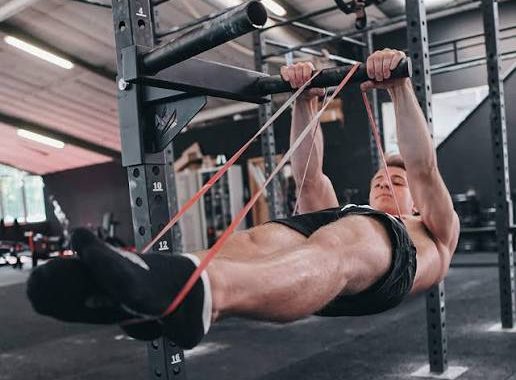
Common calisthenics exercises include push-ups, squats, lunges, planks, pull-ups, dips, and leg raises. As your abilities improve, you can work toward more advanced skills such as handstands, muscle-ups, front levers, human flags, and planches.
Calisthenics is not only about performing impressive tricks. It is about learning how to control your body while developing strength, mobility, coordination, endurance, and balance.
Why Should Beginners Try Calisthenics?
Calisthenics offers a simple and accessible way to build strength, fitness, and body control. Most beginner exercises require little or no equipment, so you can train at home, outdoors, or in a gym.
Calisthenics can also help develop practical strength because many movements require several muscles to work together. For example, a push-up involves your chest, shoulders, arms, core, and other stabilizing muscles.
Another benefit is flexibility in training. You can make exercises easier or harder depending on your current ability. This makes calisthenics suitable for beginners while also providing challenging goals for experienced athletes.
Start With the Basics
A common mistake beginners make is trying advanced skills too soon. Seeing someone perform a planche or muscle-up can be motivating, but these movements require considerable strength and control.
Instead, begin with fundamental exercises.
Push-Ups
Push-ups are one of the best starting exercises for developing upper-body pushing strength. They mainly work the chest, shoulders, and triceps while your core helps stabilize the body.
If a regular push-up is difficult, start with an easier variation and gradually progress as your strength improves.
Squats
Bodyweight squats help strengthen the legs and develop lower-body control. Focus on maintaining good posture and performing each repetition with control rather than rushing through the movement.
Lunges
Lunges challenge your legs while also requiring balance and coordination. They can be useful for developing strength on each side of the body individually.
Planks
Planks are simple but effective for building core stability. A strong core can help you maintain better control during many other calisthenics movements.
Pull-Ups
Pull-ups are excellent for developing pulling strength in the back and arms. However, they can be challenging for beginners. If you cannot perform a full pull-up yet, start with easier progressions and gradually build the required strength.
Learn Proper Form Before Increasing Repetitions
- Doing more repetitions is not always better. Beginners should focus on learning proper technique before worrying about numbers.
- Good form allows you to perform movements with better control and can help reduce unnecessary strain. During each exercise, pay attention to your body position, movement speed, breathing, and range of motion.
- For example, instead of performing 20 rushed push-ups, you may get more value from performing fewer controlled repetitions with good technique.
- Quality should come before quantity.
Create a Simple Training Routine
You do not need to train every day when starting calisthenics. Beginners can focus on a few consistent training sessions each week while allowing enough time for recovery.
A simple session can include:
- A short warm-up
- One pushing exercise
- One leg exercise
- One pulling exercise or progression
- One core exercise
- A short cool-down
The goal is not to exhaust yourself during every session. Build a simple and sustainable training routine that supports consistent progress over time.
As your fitness improves, you can gradually increase training volume, difficulty, or exercise complexity.
Understand Progression
- Progression is one of the most important ideas in calisthenics. Your body needs a reason to adapt, so you should gradually challenge yourself as exercises become easier.
- Progression does not always mean adding more repetitions. You can also make an exercise harder by changing its variation, improving your range of motion, slowing down the movement, increasing control, or reducing assistance.
- For example, someone learning push-ups might progress from an easier variation to a more demanding one as their strength develops.
- The same principle applies to advanced skills. You build the necessary strength and control through smaller steps rather than trying to perform the final movement immediately.
Warm Up Before Training
- A short warm-up can prepare your body for physical activity. Instead of immediately starting difficult exercises, spend a few minutes performing light movements and dynamic exercises.
- Your warm-up can include movements for the shoulders, wrists, hips, knees, and ankles, depending on the workout.
- This is especially useful in calisthenics because many exercises place demands on your joints and muscles. A proper warm-up can also help you feel more prepared and focused before training.
Do Not Ignore Recovery
- Training is only one part of making progress. Recovery is equally important.
- Your body needs time to repair and adapt after exercise. If you constantly train without enough rest, you may experience excessive tiredness, reduced performance, or difficulty maintaining good technique.
- Sleep, nutrition, hydration, and rest days all contribute to recovery.
- You can also use lighter days for activities such as walking, gentle stretching, or mobility work instead of performing another intense workout.
- Remember that progress does not happen only while you exercise. Recovery gives your body an opportunity to adapt to the training you have completed.
Focus on Mobility and Flexibility
- Strength is important in calisthenics, but movement quality also matters. Mobility and flexibility can help you perform exercises with better control and range of motion.
- Beginners can include simple mobility work for the shoulders, wrists, hips, and ankles. Regular movement practice can be particularly helpful if you spend a lot of time sitting during the day.
- You do not need a long stretching session every day. A few minutes of consistent mobility work can become a useful part of your overall fitness routine.
- Nutrition Supports Your Progress
- Exercise alone is not enough to support your fitness goals. Your body needs adequate nutrition to recover and perform well.
- Try to build balanced meals that include protein, carbohydrates, healthy fats, fruits, vegetables, and enough fluids. Protein is especially important for supporting muscle repair and development.
- Your nutritional needs can vary depending on your goals. Someone trying to build muscle may have different requirements from someone primarily focused on weight loss or general fitness.
- Rather than following extreme diets, focus on sustainable eating habits that you can maintain over time.
Track Your Progress
Beginners sometimes feel that they are not improving because changes can happen gradually. Tracking your progress can make improvements easier to notice.
You can record:
- Number of repetitions
- Exercise variations
- Hold times
- Training sessions
- Skill progressions
- How exercises feel over time
You might discover that an exercise that once felt extremely difficult has become much easier.
Progress can also appear in ways that are not measured by repetitions. Better balance, improved technique, greater control, and increased confidence are all meaningful achievements.
Avoid Comparing Your Journey With Others
- Social media is full of people performing advanced calisthenics skills. While these videos can provide inspiration, they can also create unrealistic expectations for beginners.
- Everyone starts with different levels of strength, mobility, body control, and training experience.
- Instead of asking why someone else can perform a muscle-up while you cannot, focus on your own next step. Your first push-up, first pull-up, or first controlled handstand progression can be just as important to your personal journey.
- Consistency is more valuable than trying to progress too quickly.
Common Beginner Mistakes
- Several mistakes can slow down your progress.
- Starting too aggressively: Doing too much too soon can make training difficult to maintain.
- Ignoring technique: Poor form can reduce the quality of an exercise.
- Skipping recovery: Your body needs time to adapt between demanding sessions.
- Only training what you enjoy: A balanced routine should develop different aspects of fitness.
- Chasing advanced skills too early: Build the foundation first.
- Expecting instant results: Strength and skill development take time.
- Avoiding these mistakes can make your training more sustainable and enjoyable.
How Long Does It Take to Improve?
- There is no fixed timeline for calisthenics progress. Your results depend on factors such as your starting fitness level, training consistency, recovery, nutrition, body composition, and previous exercise experience.
- Some people may notice improvements in coordination and exercise control relatively quickly, while building significant strength can take much longer.
- Instead of focusing only on how quickly you can achieve an advanced skill, focus on making small improvements from week to week.
- A stronger push-up, better squat technique, longer plank hold, or improved mobility can all represent meaningful progress.
Final Thoughts
Starting calisthenics does not require advanced skills, expensive equipment, or years of experience. It starts with learning basic movements, developing good technique, and creating a consistent training habit.
Focus on fundamental exercises, progress gradually, warm up properly, and give your body enough time to recover. Combine training with balanced nutrition, adequate sleep, and regular mobility work to support your overall fitness.
Most importantly, be patient with yourself. Calisthenics is a long-term journey where small improvements eventually create major changes. Start simple, train consistently, and let your strength and body control grow one step at a time.