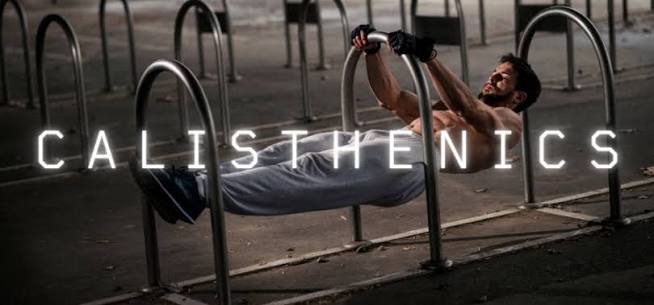
Calisthenics Routine: The Complete Beginner’s Guide to Building Strength Naturally
If you’re looking for a simple yet effective way to improve your fitness, a calisthenics routine is one of the best choices you can make. Calisthenics uses your own body weight to build strength, increase flexibility, improve balance, and boost endurance. Unlike traditional gym workouts, you don’t need expensive equipment or a gym membership. With consistency and the right routine, anyone can achieve impressive results.
Whether you’re a beginner or someone returning to fitness, this guide will help you understand how to build an effective calisthenics routine that delivers long-term progress.
What Is a Calisthenics Routine?
A calisthenics routine is a planned series of bodyweight exercises designed to improve strength, fitness, flexibility, and overall physical performance.
- Push-ups
- Pull-ups
- Squats
- Lunges
- Planks
- Dips
- Leg Raises
These exercises train multiple muscle groups at the same time, making your workouts more efficient and functional.
Benefits of Following a Calisthenics Routine
A well-designed calisthenics routine offers numerous benefits, including:
- Builds full-body strength
- Improves flexibility and mobility
- Enhances balance and coordination
- Increases muscular endurance
- Burns calories effectively
- Improves posture
- Develops functional fitness
- Reduces injury risk
- Requires little or no equipment
- Suitable for all fitness levels
Why Choose Calisthenics Over Gym Workouts?
Many people choose a calisthenics routine because it is simple and accessible.
Advantages include:
- Train anywhere
- No expensive gym membership
- Minimal equipment required
- Natural body movement
- Better core engagement
- Improved athletic performance
- Easy to adjust difficulty
Essential Warm-Up Before Every Workout
Always prepare your body before training.
Spend 5–10 minutes on:
- Jumping Jacks
- Arm Circles
- High Knees
- Shoulder Rotations
- Hip Rotations
- Leg Swings
- Light Jogging
- Dynamic Stretching
A proper warm-up increases blood flow and reduces the chance of injury.
Beginner Calisthenics Routine
Perform this routine 3–4 times each week.
Push-ups
- 3 Sets
- 8–12 Repetitions
Works:
- Chest
- Shoulders
- Triceps
Bodyweight Squats
- 3 Sets
- 15–20 Repetitions
Works:
- Legs
- Glutes
- Core
Plank
- 3 Sets
- Hold for 30–60 Seconds
Improves:
- Core Stability
- Balance
Lunges
- 3 Sets
- 10 Repetitions Each Leg
Targets:
- Quadriceps
- Glutes
- Hamstrings
Australian Pull-Ups
- 3 Sets
- 8–10 Repetitions
Strengthens:
- Back
- Biceps
Glute Bridges
- 3 Sets
- 15 Repetitions
Improves:
- Hip Strength
- Lower Back Support
Intermediate Calisthenics Routine
Once you become stronger, progress to more challenging exercises.
Include:
- Pull-ups
- Dips
- Pike Push-ups
- Bulgarian Split Squats
- Hanging Knee Raises
- Diamond Push-ups
- Jump Squats
- Chin-ups
Aim for:
- 3–4 Sets
- 8–12 Repetitions
Advanced Calisthenics Routine
Experienced athletes can include skill-based exercises.
Examples include:
- Muscle-Up
- Front Lever
- Back Lever
- Human Flag
- Handstand Push-Up
- Planche Progressions
- One-Arm Push-Up
- Pistol Squat
These exercises require patience, consistency, and proper progression.
Weekly Calisthenics Routine
Monday
- Push Workout
- Core
Tuesday
- Pull Workout
Wednesday
- Active Recovery
- Stretching
Thursday
- Legs
- Core
Friday
- Full Body Workout
Saturday
- Skill Practice
- Mobility
Sunday
- Complete Rest
Tips for Better Results
Follow these simple habits:
- Stay consistent
- Focus on proper technique
- Increase difficulty gradually
- Eat enough protein
- Stay hydrated
- Sleep 7–9 hours every night
- Track your progress
- Avoid skipping recovery days
Common Mistakes to Avoid
Many beginners make these mistakes:
- Skipping warm-up
- Ignoring recovery
- Poor exercise form
- Training every day without rest
- Comparing yourself with others
- Not eating enough nutrients
- Progressing too quickly
Avoiding these mistakes helps you improve faster and stay injury-free.
Nutrition for a Better Calisthenics Routine
Your training results depend heavily on your nutrition.
Eat more:
- Lean Protein
- Eggs
- Chicken
- Fish
- Milk
- Fruits
- Vegetables
- Whole Grains
- Nuts
- Healthy Fats
Drink:
- Plenty of water throughout the day.
Recovery Is Part of Progress
Muscles grow during recovery—not while exercising.
Recovery tips:
- Stretch after workouts
- Foam roll if possible
- Sleep well
- Stay hydrated
- Take rest days seriously
How Long Does It Take to See Results?
Everyone progresses differently.
Generally:
- 2–4 Weeks: Better endurance
- 4–8 Weeks: Increased strength
- 8–12 Weeks: Visible muscle definition
- 3–6 Months: Significant improvements in strength and skills
Consistency is the key to long-term success.
Equipment That Can Help
Although most exercises require no equipment, these items can improve your workouts:
- Pull-up Bar
- Resistance Bands
- Gymnastic Rings
- Parallettes
- Dip Bars
- Exercise Mat
Who Can Follow a Calisthenics Routine?
A calisthenics routine is suitable for:
- Beginners
- Students
- Office Workers
- Athletes
- Men
- Women
- Teenagers
- Older Adults (with appropriate modifications)
The exercises can easily be adjusted according to individual fitness levels.
Final Thoughts
A calisthenics routine is one of the most effective ways to build strength, improve flexibility, and develop a healthier lifestyle using only your body weight. It doesn’t require expensive equipment or a gym membership—just dedication, consistency, and the willingness to improve every day. Start with the basics, master proper technique, and gradually challenge yourself with more advanced movements. Remember that progress takes time, and every workout brings you one step closer to your goals. Stay patient, train smart, and enjoy the journey of becoming stronger, fitter, and more confident through calisthenics.
Frequently Asked Questions (FAQs)
1. What is a calisthenics routine?
A calisthenics routine is a structured workout plan that uses bodyweight exercises like push-ups, pull-ups, squats, and planks to build strength, endurance, flexibility, and overall fitness.
2. Do I need equipment for calisthenics?
No. Most exercises use only your body weight. However, a pull-up bar, resistance bands, or gymnastic rings can expand your training options.
3. Can calisthenics build muscle?
Yes. When combined with progressive overload, proper nutrition, and adequate recovery, calisthenics is highly effective for building lean muscle and increasing strength.
4. Is a calisthenics routine good for weight loss?
Yes. Regular bodyweight workouts burn calories, improve metabolism, and help reduce body fat when paired with a balanced diet.