Calisthenics vs Gym: Which Builds a Better Physique?
Choosing between calisthenics vs gym is one of the most common questions among people starting their fitness journey. Both training styles can help you build muscle, improve strength, and achieve an impressive physique, but they do so in different ways. While gym training focuses on lifting weights to target specific muscle groups, calisthenics relies on bodyweight exercises to develop strength, balance, flexibility, and muscle control.
The truth is that neither approach is universally better.The best option is the one that aligns with your fitness goals, daily routine, and personal preferences. Some people want larger muscles and maximum strength, while others prefer a lean, athletic body with excellent mobility. Understanding the differences between calisthenics vs gym can help you choose the training style that best matches your fitness goals.
What Is Calisthenics?
Calisthenics is a strength-training method that uses your body weight to build muscle, improve fitness, and increase overall strength. Instead of lifting barbells or dumbbells, you perform movements such as push-ups, pull-ups, dips, squats, lunges, planks, and handstands. These exercises train multiple muscle groups at once, helping you build functional strength and improve coordination.
One of the greatest benefits of calisthenics is that it is simple and easy to begin. Since it requires little or no equipment, calisthenics allows you to work out almost anywhere, including at home, in parks, or while traveling. As your strength improves, you can progress to more challenging skills like muscle-ups, front levers, planches, and handstand push-ups.
People who follow calisthenics consistently often develop a lean, defined, and athletic physique rather than an extremely bulky appearance.
What Is Gym Training?
Gym training involves using free weights, machines, cables, and resistance equipment to build muscle and strength. Unlike calisthenics, gym workouts allow you to increase resistance gradually by adding more weight. This makes it easier to isolate individual muscle groups and apply progressive overload, which is one of the most effective ways to increase muscle size.
A typical gym routine may include exercises such as the bench press, deadlift, squat, overhead press, barbell rows, and bicep curls. Each exercise targets specific muscles, allowing you to design workouts based on your goals.
Gym training is an excellent option for individuals who want to build maximum muscle, increase overall strength, or improve power for athletic performance.
Cost and Convenience
Calisthenics is one of the most affordable ways to stay fit. Most exercises require no equipment, allowing you to train at home, in a park, or while traveling. Even if you decide to purchase a pull-up bar or resistance bands, the overall cost remains relatively low.
Gym workouts often require a paid membership along with access to fitness equipment and training machines. Although gyms provide more exercise options and heavier resistance, they also require more time, travel, and financial commitment.
Which Is Better for Building Muscle?
If your primary goal is to build as much muscle as possible, gym training generally has an advantage because you can continuously increase the weight you lift. This gradual increase in resistance, known as progressive overload, is one of the most effective ways to stimulate muscle growth. However, calisthenics is also highly effective for building muscle when performed with proper progression and consistency. Advanced bodyweight exercises such as pull-ups, dips, handstand push-ups, and muscle-ups provide significant resistance and can help develop a strong, muscular physique. While gym workouts often produce greater muscle size, calisthenics focuses on building lean muscle with excellent strength and body control.
Which Is Better for Weight Loss?
Both calisthenics and gym workouts can support weight loss when combined with a healthy diet. Calisthenics often includes dynamic, full-body movements that keep your heart rate elevated, helping you burn calories while improving endurance and coordination. Gym workouts also contribute to fat loss by increasing muscle mass, which can raise your body’s daily energy expenditure. The most effective option is the one you enjoy and can follow consistently, as long-term commitment is the key to successful weight loss.
Strength, Mobility, and Flexibility
One of the biggest strengths of calisthenics is its ability to improve overall movement quality. Exercises require your body to work as one unit, helping develop balance, coordination, flexibility, and joint stability. This makes everyday movements feel easier and supports better athletic performance.
Gym training is excellent for increasing absolute strength and targeting individual muscles, but flexibility and mobility often require additional stretching or mobility exercises. If improving movement quality is a priority, calisthenics naturally incorporates these elements into many workouts.
Calisthenics Physique vs Gym Physique
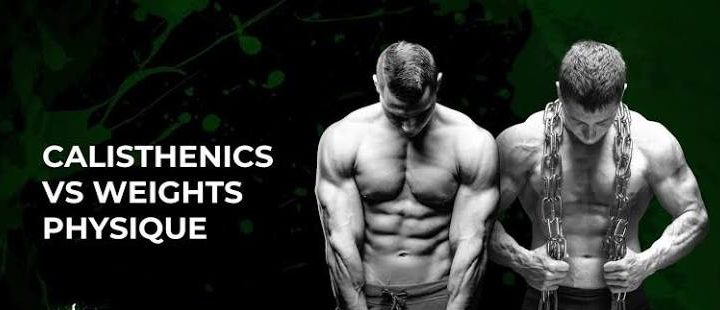
Although both methods build strong and healthy bodies, the physiques they create often look different.
A calisthenics physique is usually lean, athletic, and well-balanced. Since bodyweight exercises engage multiple muscle groups at once, they help improve muscle definition, flexibility, endurance, and overall body control simultaneously. Calisthenics athletes often have broad shoulders, a strong core, and visible muscle definition without carrying excessive body mass.
A gym physique, on the other hand, is often larger and more muscular. Weight training makes it easier to increase muscle size because resistance can be adjusted precisely. People who focus on bodybuilding typically aim for maximum muscle growth, resulting in a fuller and more powerful appearance.
Neither physique is better than the other—they simply reflect different training goals.
Key Differences Between Calisthenics and Gym Training
Here are some of the main differences:
Resistance: Calisthenics uses body weight, while gym training uses external weights.
Muscle Growth: Gym training generally makes it easier to build large muscles.
Functional Strength: Calisthenics emphasizes natural movement and body control.
Flexibility: Calisthenics often improves mobility alongside strength.
Equipment: Calisthenics requires minimal equipment, while gym training depends on machines and weights.
Training Location: Calisthenics can be performed almost anywhere, whereas gym workouts usually require access to fitness equipment.
These differences don’t mean one method is superior. Instead, they show how each style offers unique advantages depending on what you want to achieve.
Who Should Choose Calisthenics?
Calisthenics is an excellent choice if you want to:
- Build a lean and athletic physique
- Improve functional strength
- Increase flexibility and mobility
- Train almost anywhere
- Save money on fitness equipment
- Learn advanced bodyweight skills over time
- Who Should Choose Gym Training?
Gym workouts may be the better option if you want to:
- Maximize muscle size
- Increase lifting strength
- Target specific muscle groups
- Follow structured bodybuilding or powerlifting programs
- Access a wide variety of exercise machines and equipment
- Can You Combine Both?
Absolutely. Many athletes combine calisthenics with gym training to enjoy the benefits of both. For example, you can use weight training to build strength and muscle while practicing calisthenics to improve balance, mobility, endurance, and body control. This balanced approach helps create a well-rounded physique while reducing workout boredom.
Final Verdict
When comparing calisthenics vs gym, there is no single winner because each training style offers unique benefits. If your goal is a lean, athletic body with excellent mobility and functional strength, calisthenics is a fantastic choice. If you want to maximize muscle size and lift heavier weights, gym training may suit you better. The most important factor is consistency. Choose the method that fits your goals, lifestyle, and interests, and stick with it. Long-term dedication, proper nutrition, and quality recovery will always have a greater impact on your results than the training style alone.
Frequently Asked Questions (FAQs)
1. Is calisthenics better than the gym?
Neither is universally better. Calisthenics excels at functional strength and mobility, while gym training is generally better for maximizing muscle size and strength.
2. Can calisthenics build as much muscle as the gym?
Calisthenics can build impressive lean muscle, but gym training usually makes it easier to achieve greater overall muscle mass through progressive overload.
3. Can I combine calisthenics and gym workouts?
Yes. Combining both methods can improve strength, muscle growth, mobility, and overall fitness.
4. Which is better for long-term fitness?
The most effective workout is the one you can follow consistently over the long term. Both calisthenics and gym training can help you achieve excellent long-term results when paired with proper nutrition and recovery.