Balanced Diet for Calisthenics: A Beginner’s Nutrition Guide
Calisthenics is one of the most effective ways to build strength, improve endurance, and develop body control using your own body weight. While consistent training plays a major role in achieving your fitness goals, nutrition is equally important. The food you eat provides the energy needed for workouts, supports muscle recovery, and helps your body adapt to regular training.
For beginners, nutrition can seem confusing because there are countless diets and opinions available online. The good news is that you do not need a complicated meal plan to see results. A balanced diet that includes a variety of nutritious foods can provide your body with the fuel it needs to perform and recover effectively.
This beginner’s guide covers the essential principles of calisthenics nutrition and explains how healthy eating habits can support your training, recovery, and long-term fitness goals.
Why Nutrition Matters in Calisthenics?
Many people focus only on exercise and overlook the importance of nutrition. However, training and nutrition work together. Without proper fuel, your body may struggle to perform well during workouts or recover afterward.
A balanced diet can help you:
- Provide energy for training sessions.
- Support muscle recovery after exercise.
- Improve strength and endurance.
- Maintain a healthy body weight.
- Promote overall health and well-being.
- Prepare your body for consistent progress.
Whether your goal is to build muscle, improve performance, or simply stay fit, good nutrition creates the foundation for long-term success.
What Is a Balanced Diet?
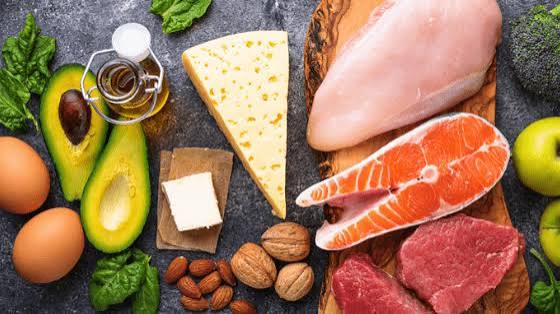
A balanced diet is one that provides your body with the nutrients it needs through a variety of foods. Instead of eliminating entire food groups or following restrictive diets, focus on eating balanced meals that include carbohydrates, proteins, healthy fats, vitamins, minerals, and plenty of water.
Every nutrient plays a different role in supporting your health and fitness. Together, they help your body function properly and recover from physical activity.
The Importance of Protein
Protein is an essential nutrient that helps support muscle recovery, strength development, and overall performance during regular training.. It supports muscle repair and helps your body recover after challenging workouts.
Good protein sources include:
- Chicken
- Fish
- Eggs
- Greek yogurt
- Cottage cheese
- Milk
- Lentils
- ChickpeasBeans
- Tofu
- Paneer
Instead of eating all your protein in one meal, try including a protein source throughout the day. This can help support recovery and maintain muscle health.
Carbohydrates Provide Energy
- Carbohydrates are often misunderstood, but they are the body’s preferred source of energy during exercise.
- When you perform push-ups, pull-ups, squats, or other bodyweight exercises, your muscles rely on stored carbohydrates to produce energy.
Healthy carbohydrate sources include:
- Brown rice
- Oats
- Whole wheat bread
- Sweet potatoes
- Potatoes
- Fruits
- Vegetables
- Whole-grain pasta
Choosing complex carbohydrates can provide longer-lasting energy and help you stay active throughout the day.
Healthy Fats Are Essential
Along with protein and carbohydrates, healthy fats are an essential part of a well-rounded diet.They provide essential nutrients that support healthy hormone function, brain health, and overall well-being.
Examples of healthy fats include:
- Nuts
- Seeds
- Avocados
- Olive oil
- Peanut butter
- Fatty fish
While healthy fats are beneficial, they are also calorie-dense, so moderation is important.
Do Not Forget Fruits and Vegetables
- Including a variety of fruits and vegetables in your diet provides essential nutrients that promote better health, aid recovery, and support an active lifestyle.
- Include a variety of colorful fruits and vegetables in your daily meals to help support overall health, recovery, and athletic performance.. Including a variety of colorful fruits and vegetables in your meals helps provide a broad range of essential nutrients for overall health and performance.
Examples include:
- Spinach
- Broccoli
- Carrots
- Tomatoes
- Bell peppers
- Apples
- Bananas
- Oranges
- Berries
Eating a variety of fresh produce can support recovery and help maintain a healthy immune system.
Stay Hydrated
- Water is often overlooked, but it is one of the most important parts of any nutrition plan.
- As you exercise, your body loses water through sweat, making proper hydration essential for maintaining performance and supporting recovery. Replacing those fluids helps support normal body functions and exercise performance.
Simple hydration tips include:
- Drink water regularly throughout the day.
- Increase your water intake during hot weather.
- Drink water before, during, and after workouts.
- Carry a water bottle when exercising.
Staying hydrated can help you feel more energized during training and support your recovery afterward.
What to Eat Before a Workout?
- A balanced pre-workout meal can provide the energy needed for your training session.
- Try eating one to three hours before exercising, depending on what feels comfortable for you.
A good pre-workout meal may include:
- Oatmeal with fruit
- Whole wheat toast with peanut butter
- Yogurt with oats
- Rice with vegetables
- A banana with a handful of nuts
To stay comfortable during your workout, avoid eating large or heavy meals immediately before exercising and allow enough time for proper digestion.
What to Eat After a Workout?
After training, your body begins recovering from exercise. A balanced post-workout meal that includes both protein and carbohydrates helps restore energy, support muscle recovery, and prepare your body for your next training session.
Examples include:
- Grilled chicken with rice and vegetables
- Eggs with whole wheat toast
- Greek yogurt with fruit
- Paneer with chapati
- Lentils with rice
Eating after exercise can help replenish energy and support muscle repair.
Build Healthy Eating Habits
- Long-term healthy eating comes from making smart choices regularly rather than striving for perfection.
- Instead of looking for quick results through extreme diets, develop habits that you can maintain over the long term.
Helpful habits include:
- Eating meals at regular times.
- Including vegetables with most meals.
- Choosing whole foods more often.
- Drinking enough water every day.
- Limiting highly processed foods.
- Practicing portion control.
Building healthy habits through small, consistent changes is more effective for long-term success than relying on extreme diets or dramatic lifestyle changes.
Common Nutrition Mistakes Beginners Make
Many beginners unknowingly make mistakes that can affect their progress.
Some common examples include:
- Skipping meals: Missing meals may reduce your energy levels during workouts.
- Not eating enough protein: Protein supports muscle recovery after exercise.
- Not getting enough water can reduce your energy, affect endurance, and make it more difficult to perform at your best during workouts.
- Avoid relying on extreme or restrictive diets, as they are often difficult to maintain and may not support long-term health and fitness goals.
- Even healthy, nutrient-rich foods should be eaten in appropriate portions to support balanced nutrition and long-term fitness goals.
- Understanding these common nutrition habits can help you make smarter food choices, support your training goals, and maintain a healthier lifestyle.
Do You Need Supplements?
- Many beginners believe supplements are necessary to build strength. In reality, most people can meet their nutritional needs through a balanced diet.
- Whole foods provide a wide range of essential nutrients, including protein, carbohydrates, healthy fats, vitamins, minerals, and fiber, helping to fuel your body, support recovery, and promote overall health.
- Supplements may be useful in certain situations, but they should not replace nutritious meals. If you are considering supplements, it is a good idea to seek advice from a qualified healthcare professional or registered dietitian.
Nutrition and Recovery Go Together
Recovery is just as important as training. Your muscles repair and adapt after exercise, and proper nutrition helps support this process.
Combine healthy eating with:
- Adequate sleep
- Rest days
- Proper hydration
- Regular exercise
- Stress management
When combined with regular training, these healthy habits can improve recovery, support consistent performance, and help you make steady progress toward your fitness goals.
Create a Sustainable Nutrition Plan
- One of the biggest mistakes beginners make is trying to follow a perfect diet from the very beginning.
- Instead, focus on building simple habits that fit your daily routine.
For example:
- Eat breakfast regularly.
- Include protein in each meal.
- Fill half your plate with vegetables.
- Make water your primary drink and limit sugary beverages as part of a healthy diet.
- Prepare healthy snacks in advance.
- Plan your meals before a busy week.
A realistic nutrition plan is easier to follow than a complicated one, making long-term success more achievable.
Final Thoughts
- A balanced diet is one of the most valuable tools for anyone beginning calisthenics. While workouts help build strength and improve body control, proper nutrition provides the energy and nutrients your body needs to recover and perform at its best.
- Make whole, nutrient-rich foods the foundation of your diet by including lean protein, complex carbohydrates, healthy fats, fruits, vegetables, and enough water to support your training and recovery. Support your training with consistent eating habits, proper recovery, and adequate sleep rather than relying on restrictive diets or quick fixes.
- Remember that good nutrition is not about being perfect—it is about making healthier choices consistently. A balanced diet, combined with consistent calisthenics training, provides the fuel your body needs to build strength, improve performance, support recovery, and maintain a healthy lifestyle for the long term.