Benefits of Calisthenics: Why Bodyweight Training Is Worth Trying
Calisthenics is a simple form of exercise that uses your own body weight as resistance. Exercises such as push-ups, pull-ups, squats, lunges, dips, and planks can help improve your strength and fitness without requiring a room full of gym equipment. What makes calisthenics different is the way it combines strength, balance, coordination, and body control in many movements.
You don’t need to be highly fit or experienced to begin your calisthenics journey.A beginner can start with easier exercise variations and gradually move toward more challenging movements. Whether your goal is to become stronger, improve your fitness, build a lean physique, or simply become more active, calisthenics can fit into many different lifestyles.
Builds Functional Strength
One of the biggest benefits of calisthenics is the development of functional strength. Instead of training only one muscle at a time, many bodyweight exercises require several muscles to work together.
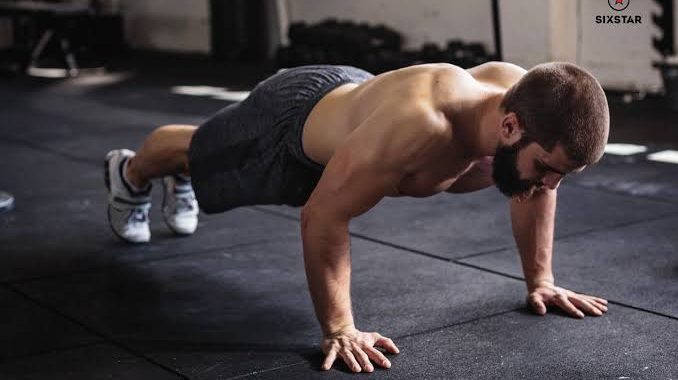
For example, a push-up works your chest, shoulders, triceps, and core at the same time. A squat involves your legs, glutes, and core while also requiring balance and control.
Regular calisthenics can help you move more comfortably in your daily life. Activities such as climbing stairs, carrying groceries, getting up from the floor, or lifting objects can become more manageable as your overall strength improves.
Helps Build Lean Muscle
Calisthenics can also help you develop muscle. Your body weight provides resistance, and your muscles adapt when they are consistently challenged.
Some useful exercises for muscle development include:
- Push-ups for the chest, shoulders, and triceps
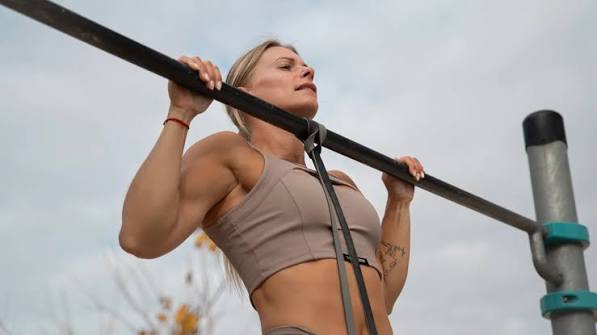
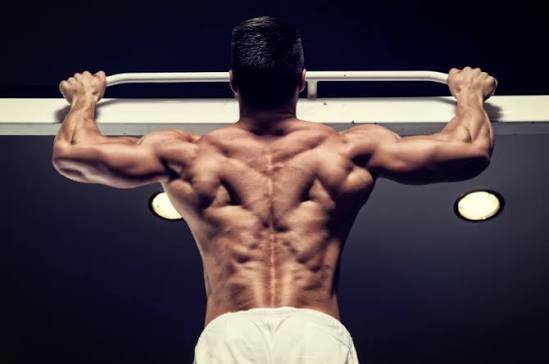
- Pull-ups for the back and biceps
- Dips for the chest and triceps
- Squats for the legs and glutes
- Lunges for the lower body
- Planks for the core
As you become stronger, you can increase the difficulty by performing harder variations, adding repetitions, increasing sets, or using additional resistance.
Proper nutrition and recovery are also important if muscle growth is one of your main goals.
Improves Body Control
Calisthenics teaches you how to control your own body. This is one of the qualities that makes bodyweight training different from simply moving an external weight.
When performing an exercise, you need to control your position, balance, and movement. With regular practice, you can become more aware of how your body moves.Better body control can help you perform exercises with improved technique and prepare you for more advanced calisthenics skills.
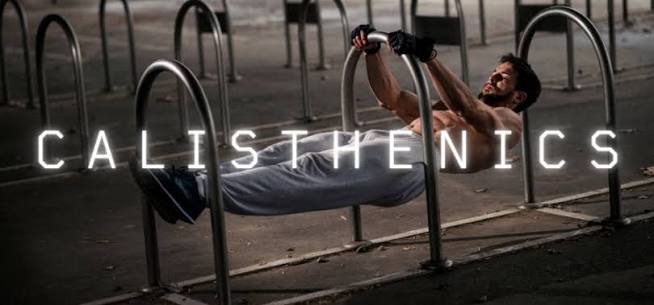
Movements such as handstands, L-sits, and muscle-ups require considerable control, so learning the basics first can create a strong foundation for future progress.
Improves Balance and Coordination
Balance and coordination are important parts of fitness that are sometimes overlooked.
Many calisthenics exercises require your body to stabilize itself while different muscle groups work together. This can improve your ability to control movement and maintain a stable position.As you progress, exercises can become more challenging by changing your body position, reducing support, or requiring greater control.
Better coordination can also make your movements feel smoother and more efficient.
Supports Flexibility and Mobility
Calisthenics is not only about becoming stronger. It can also encourage better mobility and movement.
Exercises performed through a comfortable and controlled range of motion can help your joints move more freely. Movements such as squats, lunges, and various bodyweight stretches can be useful additions to a balanced training routine.Improved mobility may be especially helpful for people who spend long periods sitting at a desk or have limited daily movement.
However, flexibility and mobility improve gradually, so it is important not to force your body into positions it cannot comfortably handle.
Improves Endurance and Stamina
Calisthenics can help improve muscular endurance and overall stamina.
When you perform bodyweight exercises for multiple repetitions or combine several movements into a workout, your muscles have to continue working for longer periods. With regular training, this can make it easier to handle physical activity without becoming tired as quickly.
Better endurance can be useful during workouts, sports, outdoor activities, and everyday tasks.
You can also adjust the intensity of your training depending on your goals. More challenging movements can focus on strength, while higher repetitions can place greater emphasis on endurance.
Requires Little or No Equipment
One of the most attractive benefits of calisthenics is its simplicity.
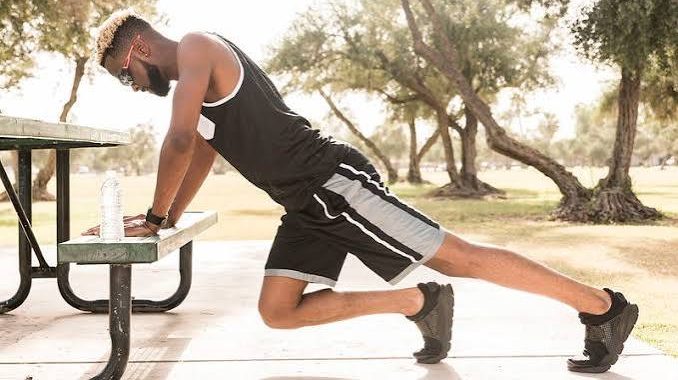
You can perform many exercises without any equipment at all. This means you can train in different locations without carrying a collection of weights or relying on gym machines.
You can practice calisthenics:
- At home
- In a park
- Outdoors
- While traveling
- In a small workout area
Equipment such as a pull-up bar, resistance bands, or gymnastic rings can provide additional options, but you do not need them to learn the basic movements.
Saves Money
Because calisthenics requires very little equipment, it can also be a budget-friendly approach to fitness.
You do not necessarily need a gym membership or expensive machines to start exercising. Your body provides the main resistance, making the basic form of training accessible to many people.
This can be particularly useful for someone who wants to stay active without spending a lot of money on fitness.
The important thing is not how much equipment you own but how consistently and safely you train.
Can Be Done Almost Anywhere
Another major benefit is convenience.
A busy schedule can make it difficult to travel to a gym every day. With calisthenics, you can often complete a workout wherever you have enough safe space to move.
This flexibility can make it easier to stay consistent.
You can train for a short period at home before starting your day, exercise outdoors after work, or practice basic movements while traveling. You are not limited to one location.
Builds Confidence
Calisthenics can also improve confidence through measurable progress.
Your first push-up, pull-up, dip, handstand, or other milestone can feel like a major achievement. You may start with an easier variation and gradually work toward the full movement.
For example:
- Wall push-up → incline push-up → regular push-up
- Assisted pull-up → negative pull-up → full pull-up
- Basic squat → split squat → advanced leg variation
Seeing yourself improve can make training more rewarding and encourage you to keep going.
Suitable for Different Fitness Levels
Calisthenics can be adapted to beginners, intermediate trainees, and advanced athletes.
A beginner does not need to start with difficult movements. You can reduce the difficulty by changing the angle, using support, reducing repetitions, or choosing a simpler variation.
As your strength improves, you can gradually increase the challenge.
This makes calisthenics a flexible training style that can develop with you rather than something you have to leave behind once you become stronger.
Helps Create Consistent Habits
Consistency is one of the most important parts of any fitness journey, and calisthenics can make consistency easier.
Because you can train with little equipment and in many locations, there are fewer barriers between you and your workout.
A short, manageable session that you perform regularly can be more useful than an intense workout that you only do occasionally.
Try to focus on creating a routine that fits your lifestyle instead of trying to follow a routine that is impossible to maintain.
Tips to Get the Most From Calisthenics
If you want to make steady progress, keep these points in mind:
- Start at a level that matches your current ability.
- Learn proper technique before increasing difficulty.
- Progress gradually.
- Train consistently.
- Give your muscles enough time to recover.
- Eat a balanced diet.
- Drink enough water.
- Get quality sleep.
- Include exercises for your whole body.
- Track your progress.
- Be patient with yourself.You do not have to improve dramatically every week. Consistent small steps can create meaningful changes over time.
Frequently Asked Questions
Is calisthenics good for beginners?
Yes. Calisthenics can be adapted for beginners by using easier exercise variations and gradually increasing the difficulty as strength improves.
What are the main benefits of calisthenics?
The main benefits include improved strength, muscle development, body control, balance, coordination, endurance, mobility, and confidence. It is also convenient because it requires little or no equipment.
Can calisthenics build muscle?
Yes. Calisthenics can support muscle growth when your muscles are challenged progressively and you also maintain proper nutrition and recovery.
Do I need equipment for calisthenics?
No. Many basic exercises can be performed using only your body weight. Equipment such as a pull-up bar or resistance bands can provide additional exercise options but is not essential for getting started.
Can I do calisthenics at home?
Yes. Many calisthenics exercises can be performed at home as long as you have enough safe space to move. You can start with exercises such as squats, push-ups, lunges, planks, and variations of these movements.
How often should I do calisthenics?
Your ideal training frequency depends on your experience, goals, and recovery. Beginners can start with a few sessions per week and gradually adjust their routine as they become more comfortable with training.
Why Choose ZENITHCALIS?
At ZENITHCALIS, we believe fitness does not have to be complicated. Bodyweight training gives you the opportunity to become stronger, improve your movement, and develop confidence without depending on expensive equipment.
Our goal is to make calisthenics easier to understand for everyone. Whether you are learning your first push-up, working toward your first pull-up, or preparing for advanced skills, the focus is always on steady progress and consistent training.
Final Thoughts
The benefits of calisthenics extend far beyond building muscle. It can help you develop strength, endurance, balance, coordination, mobility, body control, and confidence while keeping your training simple and accessible.
You do not need to start with difficult exercises or spend a lot of money on equipment. Begin with movements you can perform safely, focus on good technique, and gradually make your training more challenging.
The most important part is consistency. Even small improvements can add up when you continue working toward your goals. With patience and regular practice, calisthenics can become a practical and enjoyable way to build a stronger, healthier, and more capable body.