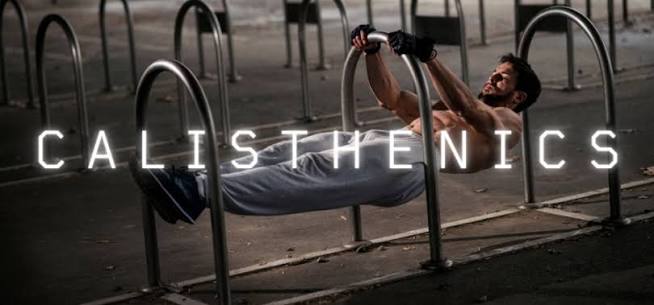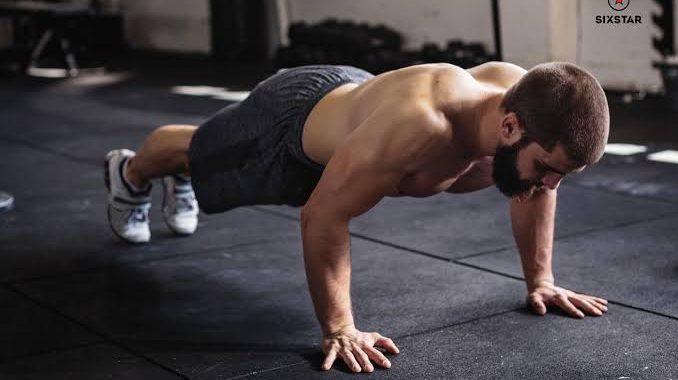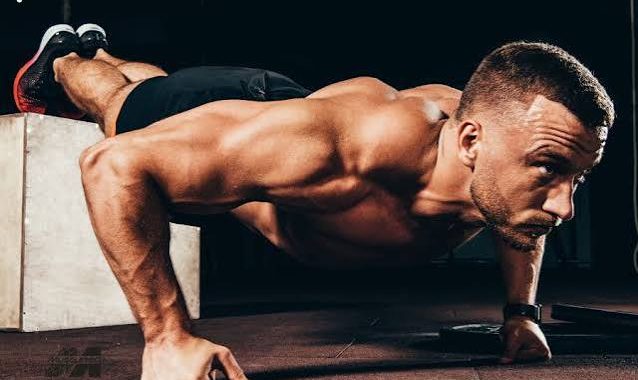
HYPERTROPHY GUIDE

Calisthenics Hypertrophy Guide: How to Build Muscle with Bodyweight Training

Building muscle does not always require heavy barbells, dumbbells, or expensive gym machines. Calisthenics can also be used to develop muscle when your training is structured correctly. By using your body weight as resistance and gradually making exercises more challenging, you can create enough stimulus for your muscles to grow.

Hypertrophy simply means increasing the size of your muscles. While calisthenics is often associated with impressive skills and body control, it can also be an effective approach for muscle development. The key is understanding how to challenge your muscles, eat properly, recover well, and stay consistent.

Whether you are new to bodyweight training or already have experience with calisthenics, this guide can help you understand how to approach hypertrophy more effectively.

What Is Hypertrophy?

Hypertrophy refers to an increase in muscle size that happens when your muscles adapt to repeated training.

During resistance training, your muscles experience stress. Your body responds by repairing and adapting to that training stimulus. With consistent training, adequate nutrition, and enough recovery, your muscles can gradually become larger and stronger.

Calisthenics creates resistance through your body weight. Exercises such as push-ups, pull-ups, dips, and squats can challenge different muscle groups and provide a foundation for muscle growth.

Can Calisthenics Build Muscle?

Yes, calisthenics can help build muscle.

The important factor is not whether the resistance comes from a dumbbell or your body weight. Your muscles need to experience enough challenge and continue receiving a reason to adapt.

As basic exercises become easier, you need to increase the difficulty. You can do this by choosing harder variations, increasing repetitions or sets, slowing down the movement, changing your body position, or eventually adding external resistance.

For example, you might progress from regular push-ups to decline push-ups and then to more challenging variations as your strength improves.

Progressive Overload Is Essential

Progressive overload is one of the most important principles for hypertrophy.

If you perform exactly the same exercise with the same difficulty forever, your body eventually becomes accustomed to it. To continue making progress, you need to gradually increase the challenge.

In calisthenics, progressive overload can come from:

  • Increasing repetitions
  • Adding more sets
  • Using harder exercise variations
  • Increasing range of motion
  • Slowing down repetitions
  • Improving exercise control
  • Reducing assistance
  • Adding resistance when appropriate

You do not need to make every workout harder. The goal is to gradually increase the challenge over time while maintaining good technique.

Choose Exercises That Challenge Your Muscles

Your exercise selection matters when muscle growth is your goal.

Some effective calisthenics movements include:

Push-Ups

Push-ups primarily train the chest, shoulders, and triceps while also requiring core stability. As regular push-ups become easier, you can experiment with variations that increase the challenge.

Pull-Ups

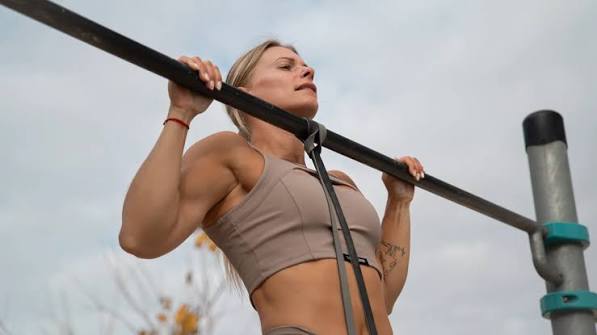
Pull-ups are excellent for training the back and biceps. Different grips and variations can change how the movement feels and which muscles receive more emphasis.

Dips

Dips can place significant demand on the chest, shoulders, and triceps. They can become increasingly challenging as your strength improves.

Squats

Squats train the lower body, particularly the thighs and glutes. Advanced variations can provide greater resistance when standard bodyweight squats are no longer challenging enough.

Lunges

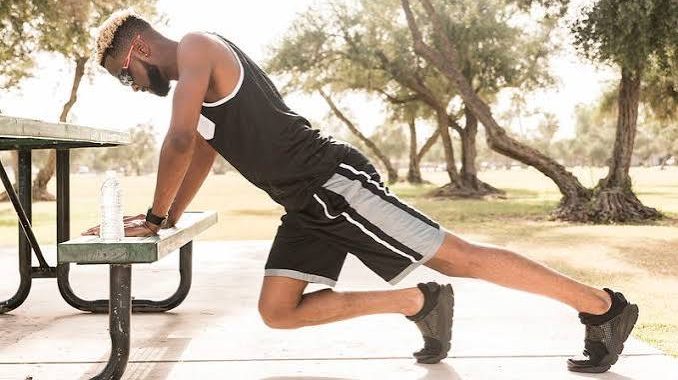
Lunges are useful for developing the legs and glutes while also requiring balance and control. Different variations can make them progressively harder.

Train Close to Your Limits

For hypertrophy, simply completing repetitions is not always enough. Your working sets should be challenging.

You generally want to finish a set feeling that you could only perform a limited number of additional good-quality repetitions. However, you do not need to take every set to complete failure.

The closer you work toward your current limit while maintaining proper technique, the more challenging the set becomes.

Avoid sacrificing form just to reach a certain number of repetitions. A controlled set with good technique is more useful than a high-repetition set filled with poor movement.

Use Proper Exercise Technique

Good technique should always be a priority.

Proper form helps you control the target muscles and reduces unnecessary movement. It also makes it easier to track your progress because your repetitions remain consistent.

Focus on:

  • Controlled movements
  • Full comfortable range of motion
  • Stable body positioning
  • Proper breathing
  • Consistent repetition technique

If an exercise becomes too difficult to perform correctly, consider using an easier variation until you develop enough strength.

Recovery Is Part of Muscle Growth

Training hard every day is not the secret to building muscle.

Your body needs enough time to recover after demanding workouts. During recovery, your muscles repair themselves and adapt to the training stress.

Make recovery a priority by:

  • Getting enough sleep
  • Taking rest days
  • Eating nutritious meals
  • Staying hydrated
  • Managing training volume
  • Avoiding unnecessary overtraining

If you constantly feel exhausted or your performance keeps dropping, you may need more recovery rather than more training.

How Often Should You Train?

There is no single perfect schedule for everyone.

Many people can make good progress by training each major muscle group around two times per week, depending on their experience, workout intensity, and recovery.

You could divide your training into upper-body and lower-body sessions or use full-body workouts throughout the week.

The most important thing is choosing a schedule that allows you to train consistently while giving your muscles enough time to recover.

How to Progress When Exercises Become Easy

One common problem with calisthenics hypertrophy is reaching a point where basic exercises no longer feel challenging.

When this happens, do not simply perform endless repetitions.

Instead, consider a more difficult variation.

For example:

Push-up → decline push-up → archer push-up

Squat → split squat → pistol squat progression

Assisted pull-up → pull-up → harder pull-up variation

You can also use resistance bands or a weighted vest when appropriate. This allows you to continue increasing resistance without abandoning bodyweight training.

Common Mistakes to Avoid

Building muscle through calisthenics becomes much easier when you avoid common mistakes.

Some mistakes include:

  • Doing the same exercises for months without progression
  • Focusing only on high repetitions
  • Ignoring lower-body training
  • Using poor exercise form
  • Not eating enough protein
  • Training hard without adequate recovery
  • Changing routines too frequently
  • Expecting visible results immediately

Muscle growth takes time. Focus on improving your performance gradually rather than searching for instant changes.

How Long Does Calisthenics Hypertrophy Take?

There is no exact timeline for muscle growth because everyone responds differently to training.

Your results can depend on factors such as training experience, genetics, nutrition, sleep, exercise selection, and consistency.

Beginners may notice strength improvements relatively quickly. Visible changes in muscle size usually take longer and require consistent training over an extended period.

Instead of checking your appearance every day, track improvements in repetitions, exercise difficulty, technique, and overall performance.

Tips for Better Calisthenics Hypertrophy

Keep these simple principles in mind:

  • Focus on progressive overload.
  • Choose challenging exercises.
  • Train your entire body.
  • Keep your technique controlled.
  • Eat enough protein.
  • Get enough overall nutrition.
  • Sleep well.
  • Give your muscles time to recover.
  • Track your workouts.
  • Stay consistent.

Small improvements repeated over many months can create significant changes.

Frequently Asked Questions

Is calisthenics good for hypertrophy?

Yes. Calisthenics can support muscle growth when exercises provide enough resistance and you progressively increase the challenge over time.

Can I build a muscular physique with bodyweight exercises?

Yes. Bodyweight exercises can develop significant muscle, especially when you use challenging variations and follow a structured training approach.

How many repetitions should I do for hypertrophy?

There is no single repetition number that guarantees muscle growth. What matters is that your sets provide sufficient challenge while allowing you to maintain good technique.

Do I need weights for calisthenics hypertrophy?

No. You can make significant progress with bodyweight exercises. However, resistance bands, weighted vests, or other equipment can be useful when basic movements become too easy.

Can beginners use calisthenics for muscle growth?

Absolutely. Beginners can start with easier variations and gradually progress as they become stronger.

Why Choose ZENITHCALIS?

At ZENITHCALIS, we believe building muscle does not have to mean relying entirely on complicated gym equipment. Calisthenics can provide a simple and effective way to develop strength, muscle, body control, and confidence.

Our goal is to help beginners and experienced athletes understand bodyweight training and make steady progress. Whether you are working toward your first push-up or progressing toward advanced movements, the focus is always on proper technique, consistency, and long-term improvement.

Final Thoughts

Calisthenics hypertrophy is possible when you approach bodyweight training with the right strategy. The most important principles are progressive overload, challenging exercises, proper technique, sufficient nutrition, and quality recovery.

You do not need to rush into advanced skills or perform hundreds of repetitions. Start with exercises that challenge you, improve gradually, and adjust your training as your strength increases.

Building muscle takes patience, but consistent effort can produce impressive results. With the right approach, your body can become not only stronger and more muscular but also more controlled, mobile, and capable.
Comment Mad Casino répond aux attentes des joueurs ?

Mad Casino se démarque sur le marché des jeux en ligne grâce à son engagement envers la satisfaction des joueurs. Cette plateforme, accessible à l’adresse https://madcasinos-bet.com, propose une expérience de jeu enrichissante et sécurisée, répondant ainsi aux attentes variées de ses utilisateurs.

Une Catalogue de Jeux Varié

Le choix des jeux est un des principaux attraits de Mad Casino. La plateforme offre une vaste gamme de produits allant des machines à sous aux jeux de table classiques comme le blackjack et la roulette. Ces jeux proviennent de développeurs de renom, garantissant une qualité supérieure et une immersion totale.

De plus, Mad Casino met à jour régulièrement sa bibliothèque de jeux avec des titres nouveaux et excitants. Les joueurs peuvent ainsi découvrir des nouveautés en permanence et bénéficier d’une expérience de jeu variée et dynamique.

Un Système de Bonus Attractif

Mad Casino propose une structure de bonus intéressante qui attire aussi bien les nouveaux arrivants que les joueurs réguliers. Le bonus de bienvenue, par exemple, permet aux nouveaux utilisateurs de maximiser leur premier dépôt, tandis que des promotions régulières et un programme de fidélité encouragent la loyauté des joueurs existants.

  • Bonus de bienvenue attractif
  • Promotions mensuelles
  • Programme de fidélité avec des récompenses intéressantes

Engagement pour la Sécurité et la Confiance

La sécurité des joueurs est une priorité pour Mad Casino. La plateforme utilise des technologies de cryptage avancées pour protéger les données personnelles et financières des utilisateurs. De plus, elle est réglementée par des autorités reconnues, garantissant un environnement de jeu équitable et responsable.

Pour les joueurs soucieux de leur bien-être, Mad Casino adopte également des mesures de jeu responsable. Des outils tels que les limites de dépôt, les périodes de réflexion, et des options d’auto-exclusion sont disponibles pour aider à gérer le temps et l’argent investis dans le jeu.

Type de Bonus Pourcentage Conditions de Mise
Bonus de Bienvenue 100% 30x
Bonus de Dépôt 50% 25x
Cashback Hebdomadaire 10% Aucun

FAQ sur Mad Casino

Quels sont les méthodes de paiement disponibles ? Mad Casino accepte divers moyens, y compris les cartes de crédit, les portefeuilles électroniques et les cryptomonnaies, permettant des transactions faciles et sécurisées.

Les jeux sont-ils accessibles sur mobile ? Oui, la plateforme est entièrement compatible avec les appareils mobiles, offrant une expérience fluide et agréable.

Comment fonctionne le programme de fidélité ? Les joueurs accumulent des points en jouant, qui peuvent être échangés contre des bonus et des récompenses exclusives, augmentant ainsi leur valeur à long terme.

BENEFITS OF CALISTHENICS

Benefits of Calisthenics: Why Bodyweight Training Is Worth Trying

Calisthenics is a simple form of exercise that uses your own body weight as resistance. Exercises such as push-ups, pull-ups, squats, lunges, dips, and planks can help improve your strength and fitness without requiring a room full of gym equipment. What makes calisthenics different is the way it combines strength, balance, coordination, and body control in many movements.

You don’t need to be highly fit or experienced to begin your calisthenics journey.A beginner can start with easier exercise variations and gradually move toward more challenging movements. Whether your goal is to become stronger, improve your fitness, build a lean physique, or simply become more active, calisthenics can fit into many different lifestyles.

Builds Functional Strength

One of the biggest benefits of calisthenics is the development of functional strength. Instead of training only one muscle at a time, many bodyweight exercises require several muscles to work together.

For example, a push-up works your chest, shoulders, triceps, and core at the same time. A squat involves your legs, glutes, and core while also requiring balance and control.

Regular calisthenics can help you move more comfortably in your daily life. Activities such as climbing stairs, carrying groceries, getting up from the floor, or lifting objects can become more manageable as your overall strength improves.

Helps Build Lean Muscle

Calisthenics can also help you develop muscle. Your body weight provides resistance, and your muscles adapt when they are consistently challenged.

Some useful exercises for muscle development include:

  • Push-ups for the chest, shoulders, and triceps
  • Pull-ups for the back and biceps
  • Dips for the chest and triceps
  • Squats for the legs and glutes
  • Lunges for the lower body
  • Planks for the core

As you become stronger, you can increase the difficulty by performing harder variations, adding repetitions, increasing sets, or using additional resistance.

Proper nutrition and recovery are also important if muscle growth is one of your main goals.

Improves Body Control

Calisthenics teaches you how to control your own body. This is one of the qualities that makes bodyweight training different from simply moving an external weight.

When performing an exercise, you need to control your position, balance, and movement. With regular practice, you can become more aware of how your body moves.Better body control can help you perform exercises with improved technique and prepare you for more advanced calisthenics skills.

Movements such as handstands, L-sits, and muscle-ups require considerable control, so learning the basics first can create a strong foundation for future progress.

Improves Balance and Coordination

Balance and coordination are important parts of fitness that are sometimes overlooked.

Many calisthenics exercises require your body to stabilize itself while different muscle groups work together. This can improve your ability to control movement and maintain a stable position.As you progress, exercises can become more challenging by changing your body position, reducing support, or requiring greater control.

Better coordination can also make your movements feel smoother and more efficient.

Supports Flexibility and Mobility

Calisthenics is not only about becoming stronger. It can also encourage better mobility and movement.

Exercises performed through a comfortable and controlled range of motion can help your joints move more freely. Movements such as squats, lunges, and various bodyweight stretches can be useful additions to a balanced training routine.Improved mobility may be especially helpful for people who spend long periods sitting at a desk or have limited daily movement.

However, flexibility and mobility improve gradually, so it is important not to force your body into positions it cannot comfortably handle.

Improves Endurance and Stamina

Calisthenics can help improve muscular endurance and overall stamina.

When you perform bodyweight exercises for multiple repetitions or combine several movements into a workout, your muscles have to continue working for longer periods. With regular training, this can make it easier to handle physical activity without becoming tired as quickly.

Better endurance can be useful during workouts, sports, outdoor activities, and everyday tasks.

You can also adjust the intensity of your training depending on your goals. More challenging movements can focus on strength, while higher repetitions can place greater emphasis on endurance.

Requires Little or No Equipment

One of the most attractive benefits of calisthenics is its simplicity.

You can perform many exercises without any equipment at all. This means you can train in different locations without carrying a collection of weights or relying on gym machines.

You can practice calisthenics:

  • At home
  • In a park
  • Outdoors
  • While traveling
  • In a small workout area

Equipment such as a pull-up bar, resistance bands, or gymnastic rings can provide additional options, but you do not need them to learn the basic movements.

Saves Money

Because calisthenics requires very little equipment, it can also be a budget-friendly approach to fitness.

You do not necessarily need a gym membership or expensive machines to start exercising. Your body provides the main resistance, making the basic form of training accessible to many people.

This can be particularly useful for someone who wants to stay active without spending a lot of money on fitness.

The important thing is not how much equipment you own but how consistently and safely you train.

Can Be Done Almost Anywhere

Another major benefit is convenience.

A busy schedule can make it difficult to travel to a gym every day. With calisthenics, you can often complete a workout wherever you have enough safe space to move.

This flexibility can make it easier to stay consistent.

You can train for a short period at home before starting your day, exercise outdoors after work, or practice basic movements while traveling. You are not limited to one location.

Builds Confidence

Calisthenics can also improve confidence through measurable progress.

Your first push-up, pull-up, dip, handstand, or other milestone can feel like a major achievement. You may start with an easier variation and gradually work toward the full movement.

For example:

  • Wall push-up → incline push-up → regular push-up
  • Assisted pull-up → negative pull-up → full pull-up
  • Basic squat → split squat → advanced leg variation

Seeing yourself improve can make training more rewarding and encourage you to keep going.

Suitable for Different Fitness Levels

Calisthenics can be adapted to beginners, intermediate trainees, and advanced athletes.

A beginner does not need to start with difficult movements. You can reduce the difficulty by changing the angle, using support, reducing repetitions, or choosing a simpler variation.

As your strength improves, you can gradually increase the challenge.

This makes calisthenics a flexible training style that can develop with you rather than something you have to leave behind once you become stronger.

Helps Create Consistent Habits

Consistency is one of the most important parts of any fitness journey, and calisthenics can make consistency easier.

Because you can train with little equipment and in many locations, there are fewer barriers between you and your workout.

A short, manageable session that you perform regularly can be more useful than an intense workout that you only do occasionally.

Try to focus on creating a routine that fits your lifestyle instead of trying to follow a routine that is impossible to maintain.

Tips to Get the Most From Calisthenics

If you want to make steady progress, keep these points in mind:

  • Start at a level that matches your current ability.
  • Learn proper technique before increasing difficulty.
  • Progress gradually.
  • Train consistently.
  • Give your muscles enough time to recover.
  • Eat a balanced diet.
  • Drink enough water.
  • Get quality sleep.
  • Include exercises for your whole body.
  • Track your progress.
  • Be patient with yourself.You do not have to improve dramatically every week. Consistent small steps can create meaningful changes over time.

Frequently Asked Questions

Is calisthenics good for beginners?

Yes. Calisthenics can be adapted for beginners by using easier exercise variations and gradually increasing the difficulty as strength improves.

What are the main benefits of calisthenics?

The main benefits include improved strength, muscle development, body control, balance, coordination, endurance, mobility, and confidence. It is also convenient because it requires little or no equipment.

Can calisthenics build muscle?

Yes. Calisthenics can support muscle growth when your muscles are challenged progressively and you also maintain proper nutrition and recovery.

Do I need equipment for calisthenics?

No. Many basic exercises can be performed using only your body weight. Equipment such as a pull-up bar or resistance bands can provide additional exercise options but is not essential for getting started.

Can I do calisthenics at home?

Yes. Many calisthenics exercises can be performed at home as long as you have enough safe space to move. You can start with exercises such as squats, push-ups, lunges, planks, and variations of these movements.

How often should I do calisthenics?

Your ideal training frequency depends on your experience, goals, and recovery. Beginners can start with a few sessions per week and gradually adjust their routine as they become more comfortable with training.

Why Choose ZENITHCALIS?

At ZENITHCALIS, we believe fitness does not have to be complicated. Bodyweight training gives you the opportunity to become stronger, improve your movement, and develop confidence without depending on expensive equipment.

Our goal is to make calisthenics easier to understand for everyone. Whether you are learning your first push-up, working toward your first pull-up, or preparing for advanced skills, the focus is always on steady progress and consistent training.

Final Thoughts

The benefits of calisthenics extend far beyond building muscle. It can help you develop strength, endurance, balance, coordination, mobility, body control, and confidence while keeping your training simple and accessible.

You do not need to start with difficult exercises or spend a lot of money on equipment. Begin with movements you can perform safely, focus on good technique, and gradually make your training more challenging.

The most important part is consistency. Even small improvements can add up when you continue working toward your goals. With patience and regular practice, calisthenics can become a practical and enjoyable way to build a stronger, healthier, and more capable body.

UNLOCK YOUR FIRST PULL-UP

Unlock Your First Pull-Up: A Beginner’s Guide

Doing your first pull-up is one of the most exciting achievements in calisthenics. At first, hanging from a bar and pulling your body upward can feel almost impossible. You may be able to do push-ups and squats, but a pull-up requires a different combination of back strength, arm strength, grip, core control, and body coordination.

Your current strength doesn’t have to limit you; with consistent practice, you can work toward your first pull-up. You simply need the right progressions, consistent practice, and enough patience to allow your body to adapt. Instead of trying to force yourself over the bar, focus on building the strength needed for each part of the movement.

What Is a Pull-Up?

A pull-up is a bodyweight exercise where you hang from a bar and use your upper-body muscles to pull your body upward until your chin reaches above the bar.

The movement mainly works your:

  • Back muscles
  • Biceps
  • Forearms
  • Shoulders
  • Core
  • Grip

A proper pull-up is more than simply pulling with your arms. Your entire body needs to stay controlled throughout the movement. Learning how each part works together is what eventually makes your first pull-up possible.

Why Is Your First Pull-Up So Difficult?

Pull-ups can be challenging because you are moving almost your entire body weight against gravity. Unlike a machine exercise, there is no support helping you complete the movement.

You need enough strength to:

  • Hold your body from the bar
  • Keep a strong grip
  • Stabilize your shoulders
  • Engage your back
  • Pull your body upward
  • Control the movement back down

If you currently cannot do a pull-up, that does not mean you are weak. It simply means your body has not developed enough pulling strength yet.

Start With the Dead Hang

Dead hangs are a good starting point when you’re working toward your first pull-up.

Grab the pull-up bar with your palms facing away from you and allow your body to hang underneath it. Keep your grip firm and try to maintain control instead of simply hanging passively.

Dead hangs can help you develop the grip strength needed for future pull-ups.

Focus on:

  • Holding the bar securely
  • Keeping your shoulders controlled
  • Maintaining a comfortable body position
  • Increasing your hanging time gradually

Do not worry about holding the bar for a long time immediately. Even short holds can be useful when you are starting.

Build Your Back Strength

Your back plays a major role in a pull-up. If your back muscles are not strong enough, your arms will have to do too much of the work.

Exercises such as rows can help develop the pulling strength you need.

You can practice:

  • Inverted rows
  • Resistance-band rows
  • Australian pull-ups
  • Scapular pull-ups

These movements teach your body how to pull while gradually strengthening the muscles involved in a full pull-up.

Practice Scapular Pull-Ups

Scapular pull-ups are a useful progression because they teach you how to control your shoulders while hanging from the bar.

Grab the bar and hang with your arms straight to get into position.Without bending your elbows, gently pull your shoulder blades down and back. Your body should rise slightly.

The movement may look small, but it teaches an important part of the pull-up.

Focus on controlled movement rather than trying to lift your body as high as possible.

Use Assisted Pull-Ups

If you’re not ready for a full pull-up yet, assisted pull-ups can help you build the strength to get there.

You can use a resistance band or an assisted pull-up machine to reduce the amount of weight you need to pull.

The goal is not to make the exercise completely easy. Instead, choose enough assistance to perform the movement with good technique.

As you become stronger, gradually reduce the assistance.

This creates a simple progression:

As your strength improves, reduce the assistance step by step until you can perform a full pull-up using your own body weight.

That gradual approach allows your muscles to adapt without forcing you to attempt a movement that is currently too difficult.

Learn Negative Pull-Ups

Negative pull-ups are another excellent progression.

Instead of starting from the bottom and pulling yourself up, begin with your chin already above the bar. You can use a box or step to safely reach the starting position.

From there, slowly lower yourself toward the ground.

The downward portion of the movement is called the eccentric phase. Controlling this phase can help you develop the strength needed for a complete pull-up.

Try to make each repetition slow and controlled rather than simply dropping from the bar.

Improve Your Grip Strength

Your grip can become a limiting factor when learning pull-ups.

If you struggle to hold the bar, your grip may stop you from getting the most out of your pulling exercises.

You can improve your grip through:

  • Dead hangs
  • Farmer carries
  • Towel hangs
  • Bar holds
  • Regular pulling exercises

You do not need to train your grip excessively. Just include some grip work regularly and gradually increase the challenge.

Keep Your Core Engaged

A strong core can make your pull-up more controlled.

Instead of allowing your legs to swing around, keep your body stable while pulling. Your abdominal muscles and other core muscles help prevent unnecessary movement.Exercises such as planks, hollow-body holds, and hanging knee raises can help improve core strength.A controlled body position also makes it easier to focus on the actual pulling movement.

Focus on Proper Pull-Up Form

Good technique is important when learning your first pull-up.

Hold the bar securely and keep your arms extended as you begin.Keep your body controlled and avoid excessive swinging.

Then:

  • Engage your shoulders.
  • Brace your core.
  • Pull your elbows down toward your sides.
  • Drive your body upward.
  • Bring your chin over the bar.
  • Lower yourself under control.

Do not rush through the repetition. A clean pull-up is more valuable than several messy repetitions.

Avoid These Common Mistakes

Many beginners make their progress harder by trying to do too much too soon.

Common mistakes include:

  • Swinging the body to create momentum
  • Using only the arms
  • Neglecting grip training
  • Skipping warm-ups
  • Practicing without enough recovery
  • Doing poor-quality repetitions
  • Trying advanced variations too early
  • Training inconsistently

Your goal should be to build strength gradually rather than prove how strong you are during every workout.

How Often Should You Practice?

You do not need to practice pull-ups every day.

For most beginners, practicing pulling movements around two to three times per week can provide enough stimulus while allowing time for recovery.

A simple session could include:

  • Dead hangs
  • Scapular pull-ups
  • Assisted pull-ups
  • Negative pull-ups
  • Rows
  • Core exercises

Focus on a few key exercises in each session instead of doing them all at once. Choose a few progressions that match your current level and focus on improving them over time.

How Quickly Can You Learn Your First Pull-Up?

There is no fixed timeline for learning a pull-up.Your progress can depend on factors such as your current strength, body weight, training experience, grip strength, recovery, and consistency.

Some beginners may achieve their first repetition relatively quickly, while others may need several months of focused training.

Instead of comparing your timeline with someone else’s, track your own improvements.Maybe you can hang for longer than before. Maybe your negative pull-up is becoming slower and more controlled. Maybe you need less resistance during assisted pull-ups.

These are all signs that you are getting closer.

Tips to Unlock Your First Pull-Up

Here are a few useful tips to help you improve your training:

  • Practice consistently instead of training randomly.
  • Start with a progression that matches your current strength.
  • Focus on controlled repetitions.
  • Strengthen your back and grip.
  • Keep your core engaged.
  • Gradually reduce assistance.
  • Do not rely on excessive swinging.
  • Give your muscles enough recovery time.
  • Track your progress.
  • Stay patient.

Even small improvements can eventually lead to your first full pull-up.

Frequently Asked Questions

Can beginners learn to do a pull-up?

Yes. Beginners can learn a pull-up by building the necessary grip, back, arm, shoulder, and core strength through easier progressions.

What is the best exercise to get your first pull-up?

The right exercise depends on your current strength and fitness level. Assisted pull-ups, negative pull-ups, dead hangs, rows, and scapular pull-ups are all useful progressions.

How often should I train for my first pull-up?

Around two to three focused sessions per week can be a good starting point for many beginners. Giving your body enough time to recover is just as important as the workout itself.

Why can I hang from the bar but not do a pull-up?

Hanging mainly tests your grip and shoulder endurance, while a pull-up requires you to generate enough pulling strength to move your body upward.

Should I use resistance bands to learn pull-ups?

Yes. Resistance bands can make pull-ups more accessible by reducing the amount of body weight you need to lift. As you become stronger, gradually use less assistance.

Why Choose ZENITHCALIS?

At ZENITHCALIS, we believe that progress starts with mastering the basics. Your first pull-up may seem difficult today, but with the right progression and consistent effort, you can gradually develop the strength and control needed to achieve it.

Whether you are working on your first pull-up, improving your bodyweight strength, or preparing for more advanced calisthenics skills, the goal is simple: train patiently, improve consistently, and keep moving forward.

Final Thoughts

Unlocking your first pull-up is not about being naturally strong. It is about developing the right muscles and practicing the movement consistently. Dead hangs can improve your grip, rows can strengthen your back, assisted pull-ups can help you practice the full movement, and negative pull-ups can teach you how to control your body.

Do not become frustrated if your first pull-up does not happen immediately. Every stronger hang, better negative, and cleaner assisted repetition is bringing you closer to the goal. Stay consistent, focus on good technique, recover properly, and trust the process.

Eventually, the movement that once seemed impossible can become one of the most satisfying skills you have achieved in calisthenics.

CAN YOU BUILD MUSCLE?

Can You Build Muscle with Calisthenics?

Many people believe that building muscle is only possible by lifting heavy weights in a gym. While traditional weight training is a popular way to increase muscle size, it is not the only option. Calisthenics, which uses your own body weight as resistance, can also help you develop lean muscle, improve strength, and achieve an athletic physique.

The simple answer is yes—you can build muscle with calisthenics.” With the right training approach, proper nutrition, and consistency, calisthenics can be an effective method for muscle growth. Whether you’re a beginner or an experienced athlete, bodyweight training can help you become stronger without relying on expensive gym equipment.

How Does Muscle Growth Happen?

Muscle growth, also known as hypertrophy, occurs when your muscles adapt to increasing levels of resistance. Every workout places stress on your muscles, encouraging them to recover and grow stronger.

To support muscle growth, focus on these key factors:

  • Progressive overload
  • Proper exercise technique
  • Sufficient protein intake
  • Quality sleep and recovery
  • Consistent training

When these factors work together, your body gradually develops stronger and more defined muscles.

Why Calisthenics Is Effective for Building Muscle?

Many calisthenics exercises involve multiple joints and muscle groups at the same time. This allows you to train your entire body efficiently while improving coordination and balance.

Some of the biggest benefits include:

  • Develops lean muscle mass.
  • Improves overall body strength.
  • Enhances balance and coordination.
  • Increases muscular endurance.
  • Strengthens your core.
  • Improves flexibility and mobility.
  • Requires little or no equipment.
  • Suitable for all fitness levels.

Unlike isolated machine exercises, calisthenics teaches your muscles to work together, resulting in better functional strength for everyday activities.

Best Calisthenics Exercises for Muscle Growth

Choosing the right exercises is important if your goal is to gain muscle.

Some of the most effective movements include:

  • Push-Ups

Push-ups strengthen your chest, shoulders, and triceps while also activating your core for better stability. Different variations, such as decline push-ups, diamond push-ups, and archer push-ups, increase the challenge as you become stronger.

  • Pull-Ups

Pull-ups are one of the best exercises for developing your back, biceps, and grip strength. They also help create the wide upper-body appearance that many people aim for.

  • Dips

Dips are highly effective for building the chest, shoulders, and triceps. As your strength improves, adding extra resistance or performing advanced dip variations can further increase muscle growth.

  • Squats

Bodyweight squats strengthen your legs, glutes, and core. More advanced variations, including pistol squats and jump squats, provide greater resistance and help continue your progress.

  • Lunges

Lunges improve lower-body strength while enhancing balance and coordination. They are excellent for developing the quadriceps, hamstrings, and glutes.

Progressive Overload Is the Key

One of the biggest myths about calisthenics is that you cannot continue building muscle because your body weight stays the same. In reality, progressive overload can still be achieved by increasing the difficulty of your exercises.

You can challenge your muscles by:

  • Performing more repetitions.
  • Increasing the number of sets.
  • Reducing rest time between sets.
  • Using more difficult exercise variations.
  • Slowing down each repetition.
  • Adding weighted vests or resistance bands.

Progressive overload ensures that your muscles continue adapting instead of reaching a plateau.

Nutrition Plays a Major Role

Training alone is not enough to build muscle. Your body also needs the right nutrients to repair and strengthen muscle fibers after each workout. A balanced diet provides the energy required for training while supporting recovery and muscle growth.

Include these foods in your daily meals:

  • Lean chicken and turkey
  • Eggs
  • Fish
  • Greek yogurt
  • Milk
  • Cottage cheese
  • Beans and lentils
  • Brown rice
  • Oats
  • Whole-grain bread
  • Fruits
  • Vegetables
  • Nuts and seeds
  • Include healthy sources of fat, such as avocados, nuts, seeds, and olive oil.

Protein plays an important role in muscle recovery and growth because it gives your body the nutrients it needs to repair muscles. Try to add a good source of protein to every meal.

Stay Hydrated

Water is often overlooked, but it plays an important role in muscle performance and recovery. Proper hydration helps transport nutrients throughout the body, supports muscle function, and reduces fatigue during workouts.

Aim to drink enough water throughout the day, especially before and after your training sessions.

Recovery Is Where Muscles Grow

Many people think muscles grow while exercising, but they actually grow during recovery. After a workout, your body repairs the tiny muscle fibers that were stressed during training, making them stronger over time.

To improve recovery:

  • Sleep for 7–9 hours each night.
  • Take rest days between intense workouts.
  • Stretch after training.
  • Eat nutritious meals.
  • Stay hydrated.
  • Avoid overtraining.

Giving your body enough time to recover allows you to perform better in future workouts and reduces the risk of injury.

Common Mistakes That Slow Muscle Growth

Many beginners fail to see results because they make simple training mistakes. Avoiding these habits can help you make steady progress.

Common mistakes include:

  • Performing the same workout without increasing difficulty.
  • Ignoring proper exercise form.
  • Not eating enough protein.
  • Skipping recovery days.
  • Training inconsistently.
  • Expecting results too quickly.
  • Focusing only on upper-body exercises.
  • Neglecting core and leg training.

Improving these areas can make a significant difference in your muscle-building journey.

When Do Calisthenics Results Start to Show?

Muscle growth takes time, and everyone’s progress is different. Your results depend on factors such as your training experience, nutrition, recovery, genetics, and consistency.

Many beginners notice improved strength within the first few weeks. Visible muscle definition often appears after several months of regular training combined with proper nutrition. The key is to stay patient and continue following a structured routine.

Is Calisthenics Better Than Weight Training for Muscle Growth?

Both calisthenics and weight training can help build muscle, but they each have different strengths.

Calisthenics focuses on body control, functional strength, balance, flexibility, and muscular endurance while developing a lean and athletic physique. Weight training makes it easier to increase resistance gradually, which can be helpful for maximizing muscle size.

Neither method is better for everyone. The right choice depends on your fitness goals, training preferences, and lifestyle. Many athletes even combine calisthenics with weight training to enjoy the benefits of both.

Tips to Maximize Muscle Growth

If your goal is to build as much muscle as possible through calisthenics, follow these simple strategies:

  • Train consistently every week.
  • Focus on proper technique.
  • Increase exercise difficulty over time.
  • Eat enough protein.
  • Get quality sleep.
  • Challenge every major muscle group.
  • Track your progress.
  • Stay patient and trust the process.

Even small steps, when repeated regularly, can make a big difference in the long run.

Frequently Asked Questions

Can beginners build muscle with calisthenics?

Yes. Beginners often experience noticeable strength and muscle gains because their bodies quickly adapt to bodyweight exercises.

Is calisthenics enough for muscle growth?

Yes. As long as your muscles continue to face new challenges through progressive overload, calisthenics can effectively support muscle growth.

Do I need equipment?

No. Most calisthenics exercises require only your body weight. However, simple equipment like a pull-up bar, resistance bands, or gymnastic rings can add more variety and progression.

Can I build a muscular physique without going to the gym?

Absolutely. Many athletes have developed impressive physiques using bodyweight training combined with proper nutrition and consistent effort.

How often should I train?

For most people, training three to five times per week with adequate recovery is an effective schedule for building strength and muscle.

Why Choose ZENITHCALIS?

At ZENITHCALIS, we believe that building muscle doesn’t require expensive equipment or complicated workout routines. Our goal is to provide practical calisthenics guides, expert tips, and reliable fitness information that helps people of all experience levels become stronger through bodyweight training. Whether you’re learning your first push-up or progressing toward advanced skills, we’re here to support your journey every step of the way.

Final Thoughts

So, can you build muscle with calisthenics? The answer is yes. By combining progressive overload, proper exercise technique, balanced nutrition, and consistent recovery, calisthenics can help you build lean muscle, increase strength, and improve overall fitness. While results won’t happen overnight, staying dedicated to your training will lead to steady improvements over time. Focus on mastering the basics, challenge yourself as you grow stronger, and enjoy the process of transforming your body through calisthenics. With patience and consistency, you’ll discover that your own body can be one of the most effective tools for building muscle.

WHAT IS CALISTHENICS

Calisthenics Routine: The Complete Beginner’s Guide to Building Strength Naturally

If you’re looking for a simple yet effective way to improve your fitness, a calisthenics routine is one of the best choices you can make. Calisthenics uses your own body weight to build strength, increase flexibility, improve balance, and boost endurance. Unlike traditional gym workouts, you don’t need expensive equipment or a gym membership. With consistency and the right routine, anyone can achieve impressive results.

Whether you’re a beginner or someone returning to fitness, this guide will help you understand how to build an effective calisthenics routine that delivers long-term progress.

What Is a Calisthenics Routine?

A calisthenics routine is a planned series of bodyweight exercises designed to improve strength, fitness, flexibility, and overall physical performance.

  • Push-ups
  • Pull-ups
  • Squats
  • Lunges
  • Planks
  • Dips
  • Leg Raises

These exercises train multiple muscle groups at the same time, making your workouts more efficient and functional.

Benefits of Following a Calisthenics Routine

A well-designed calisthenics routine offers numerous benefits, including:

  • Builds full-body strength
  • Improves flexibility and mobility
  • Enhances balance and coordination
  • Increases muscular endurance
  • Burns calories effectively
  • Improves posture
  • Develops functional fitness
  • Reduces injury risk
  • Requires little or no equipment
  • Suitable for all fitness levels

Why Choose Calisthenics Over Gym Workouts?

Many people choose a calisthenics routine because it is simple and accessible.

Advantages include:

  • Train anywhere
  • No expensive gym membership
  • Minimal equipment required
  • Natural body movement
  • Better core engagement
  • Improved athletic performance
  • Easy to adjust difficulty

Essential Warm-Up Before Every Workout

Always prepare your body before training.

Spend 5–10 minutes on:

  • Jumping Jacks
  • Arm Circles
  • High Knees
  • Shoulder Rotations
  • Hip Rotations
  • Leg Swings
  • Light Jogging
  • Dynamic Stretching

A proper warm-up increases blood flow and reduces the chance of injury.

Beginner Calisthenics Routine

Perform this routine 3–4 times each week.

Push-ups

  • 3 Sets
  • 8–12 Repetitions

Works:

  • Chest
  • Shoulders
  • Triceps

Bodyweight Squats

  • 3 Sets
  • 15–20 Repetitions

Works:

  • Legs
  • Glutes
  • Core

Plank

  • 3 Sets
  • Hold for 30–60 Seconds

Improves:

  • Core Stability
  • Balance

Lunges

  • 3 Sets
  • 10 Repetitions Each Leg

Targets:

  • Quadriceps
  • Glutes
  • Hamstrings

Australian Pull-Ups

  • 3 Sets
  • 8–10 Repetitions

Strengthens:

  • Back
  • Biceps

Glute Bridges

  • 3 Sets
  • 15 Repetitions

Improves:

  • Hip Strength
  • Lower Back Support

Intermediate Calisthenics Routine

Once you become stronger, progress to more challenging exercises.

Include:

  • Pull-ups
  • Dips
  • Pike Push-ups
  • Bulgarian Split Squats
  • Hanging Knee Raises
  • Diamond Push-ups
  • Jump Squats
  • Chin-ups

Aim for:

  • 3–4 Sets
  • 8–12 Repetitions

Advanced Calisthenics Routine

Experienced athletes can include skill-based exercises.

Examples include:

  • Muscle-Up
  • Front Lever
  • Back Lever
  • Human Flag
  • Handstand Push-Up
  • Planche Progressions
  • One-Arm Push-Up
  • Pistol Squat

These exercises require patience, consistency, and proper progression.

Weekly Calisthenics Routine

Monday

  • Push Workout
  • Core

Tuesday

  • Pull Workout

Wednesday

  • Active Recovery
  • Stretching

Thursday

  • Legs
  • Core

Friday

  • Full Body Workout

Saturday

  • Skill Practice
  • Mobility

Sunday

  • Complete Rest

Tips for Better Results

Follow these simple habits:

  • Stay consistent
  • Focus on proper technique
  • Increase difficulty gradually
  • Eat enough protein
  • Stay hydrated
  • Sleep 7–9 hours every night
  • Track your progress
  • Avoid skipping recovery days

Common Mistakes to Avoid

Many beginners make these mistakes:

  • Skipping warm-up
  • Ignoring recovery
  • Poor exercise form
  • Training every day without rest
  • Comparing yourself with others
  • Not eating enough nutrients
  • Progressing too quickly

Avoiding these mistakes helps you improve faster and stay injury-free.

Nutrition for a Better Calisthenics Routine

Your training results depend heavily on your nutrition.

Eat more:

  • Lean Protein
  • Eggs
  • Chicken
  • Fish
  • Milk
  • Fruits
  • Vegetables
  • Whole Grains
  • Nuts
  • Healthy Fats

Drink:

  • Plenty of water throughout the day.

Recovery Is Part of Progress

Muscles grow during recovery—not while exercising.

Recovery tips:

  • Stretch after workouts
  • Foam roll if possible
  • Sleep well
  • Stay hydrated
  • Take rest days seriously

How Long Does It Take to See Results?

Everyone progresses differently.

Generally:

  • 2–4 Weeks: Better endurance
  • 4–8 Weeks: Increased strength
  • 8–12 Weeks: Visible muscle definition
  • 3–6 Months: Significant improvements in strength and skills

Consistency is the key to long-term success.

Equipment That Can Help

Although most exercises require no equipment, these items can improve your workouts:

  • Pull-up Bar
  • Resistance Bands
  • Gymnastic Rings
  • Parallettes
  • Dip Bars
  • Exercise Mat

Who Can Follow a Calisthenics Routine?

A calisthenics routine is suitable for:

  • Beginners
  • Students
  • Office Workers
  • Athletes
  • Men
  • Women
  • Teenagers
  • Older Adults (with appropriate modifications)

The exercises can easily be adjusted according to individual fitness levels.

Final Thoughts

A calisthenics routine is one of the most effective ways to build strength, improve flexibility, and develop a healthier lifestyle using only your body weight. It doesn’t require expensive equipment or a gym membership—just dedication, consistency, and the willingness to improve every day. Start with the basics, master proper technique, and gradually challenge yourself with more advanced movements. Remember that progress takes time, and every workout brings you one step closer to your goals. Stay patient, train smart, and enjoy the journey of becoming stronger, fitter, and more confident through calisthenics.

Frequently Asked Questions (FAQs)

1. What is a calisthenics routine?

A calisthenics routine is a structured workout plan that uses bodyweight exercises like push-ups, pull-ups, squats, and planks to build strength, endurance, flexibility, and overall fitness.

2. Do I need equipment for calisthenics?

No. Most exercises use only your body weight. However, a pull-up bar, resistance bands, or gymnastic rings can expand your training options.

3. Can calisthenics build muscle?

Yes. When combined with progressive overload, proper nutrition, and adequate recovery, calisthenics is highly effective for building lean muscle and increasing strength.

4. Is a calisthenics routine good for weight loss?

Yes. Regular bodyweight workouts burn calories, improve metabolism, and help reduce body fat when paired with a balanced diet.

L’ordre du jour des nouveaux jeux chez Zeuswin Casino

Zeuswin Casino se distingue sur le marché des jeux en ligne par son offre variée et innovante, incluant toujours les dernières tendances de l’industrie. Pour explorer plus en profondeur cette plateforme, visitez casinozeuswin.com. Cette analyse se penche sur l’ordre du jour des nouveaux jeux proposés par le casino et ce que cela signifie pour les joueurs.

Diversité du catalogue de jeux

Zeuswin Casino propose un large éventail de jeux qui couvre toutes les catégories. Des machines à sous aux jeux de table, en passant par le poker en ligne, il y en a pour tous les goûts. L’introduction de nouveaux jeux est fréquente, ce qui permet aux joueurs de trouver régulièrement quelque chose de frais et d’excitant.

Les développeurs tels que NetEnt, Microgaming et Evolution Gaming alimentent la plateforme, offrant une qualité graphique et une jouabilité de premier ordre. Les nouvelles sorties respectent ces standards élevés, garantissant ainsi une expérience de jeu optimale.

Nouveaux lancements récents

  • Treasure Quest: Une machine à sous à thème d’exploration avec un jackpot progressif.
  • Classic Blackjack: Une version actualisée du jeu classique, avec des graphismes améliorés.
  • Live Roulette Gold: Une roulette en direct immersive avec des croupiers professionnels.

Ces nouvelles additions non seulement enrichissent l’expérience de jeu, mais permettent également de garder l’intérêt des utilisateurs. Les événements saisonniers, les promotions et les tournois autour de ces nouvelles sorties attirent aussi l’attention des joueurs.

Bénéfices pour les joueurs

Les nouveaux jeux chez Zeuswin Casino offrent plusieurs avantages pour les joueurs. Tout d’abord, ils viennent souvent avec des bonus spéciaux de bienvenue, incitant les utilisateurs à essayer ces titres récents. De plus, l’innovation continue garantit que les jeux offrent des mécanismes uniques et des graphismes de pointe.

Enfin, la possibilité de découvrir des jeux de différents développeurs permet aux joueurs de diversifier leur expérience, et d’explorer de nouveaux genres et styles de jeu.

FAQ sur les nouveaux jeux de Zeuswin Casino

Quels types de jeux nouveaux Zeuswin Casino propose-il? La plateforme offre une vaste gamme de nouveaux titres, allant des machines à sous aux jeux de table en direct.

Comment profiter des bonus sur les nouveaux jeux? Les joueurs peuvent bénéficier de bonus de bienvenue et d’offres promotionnelles spécifiques aux nouveaux jeux, facilement consultables sur le site.

Les nouveaux jeux sont-ils accessibles sur mobile? Oui, la plupart des nouveaux jeux sont optimisés pour une expérience mobile fluide, permettant aux joueurs de jouer à tout moment.

Divaspin Casino : exploration des jeux de table classiques

Divaspin Casino est une plateforme qui se distingue sur le marché online grâce à son offre variée de jeux de table classiques et modernes. Avec une section dédiée à ces jeux intemporels, les joueurs peuvent explorer une gamme impressionnante qui répond à tous les goûts. Que ce soit le poker, le blackjack ou la roulette, diva spin offre une expérience immersive à chaque clic.

Une Plongée dans le Catalogue de Jeux de Table

Le catalogue de jeux de table de Divaspin Casino présente une profonde diversité, permettant aux utilisateurs de trouver facilement leur jeu favori. Les catégories incluent le blackjack, la roulette, le baccarat et le poker, chacune offrande plusieurs variantes uniques et captivantes.

Les fournisseurs de logiciels sont de renommée mondiale, garantissant des graphismes de haute qualité et des mécanismes de jeu fluides. De plus, les nouvelles versions sont mises à jour régulièrement, apportant innovation et frais à l’expérience de jeu.

Les Avantages de Jouer aux Jeux de Table

Les jeux de table classiques offrent des avantages indéniables aux joueurs, notamment une interaction accrue et des stratégies de jeu variées. Contrairement aux machines à sous, les jeux de table permettent une gestion plus réfléchie des mises, ce qui peut potentiellement conduire à une expérience de jeu plus enrichissante.

  • Stratégies de jeu élaborées
  • Interaction avec d’autres joueurs
  • Variété de mises et de limites
  • Atmosphère immersive avec des croupiers en direct

La Sécurité et la Fiabilité de la Plateforme

La sécurité des joueurs est une priorité chez Divaspin Casino. La plateforme est dotée de licences appropriées et utilise des technologies de cryptage avancées pour protéger les transactions de ses utilisateurs. De plus, la politique de jeu responsable est encouragée, garantissant une expérience de jeu sûre et agréable.

Jeux Variantes Disponibles Mises Min/Max
Blackjack Classic, Atlantic City, European 1€/500€
Roulette European, French, American 0.50€/1000€

Questions Fréquemment Posées sur Divaspin Casino

  1. Divaspin Casino est-il fiable ? Oui, la plateforme est licenciée et utilise des protocoles de sécurité avancés.
  2. Quels types de jeux de table sont disponibles ? Vous trouverez blackjack, roulette, baccarat et plusieurs variantes de poker.
  3. Les jeux sont-ils disponibles en version mobile ? Oui, les jeux de table sont accessibles sur tous les appareils, y compris les mobiles.

UNLOCK YOUR FIRST PUSH-UP

How to Do Your First Push-Up: A Complete Beginner’s Guide

If you’ve ever wanted to get stronger using only your body weight, learning how to do your first push-up is one of the best places to start. The push-up is a simple yet highly effective exercise that builds upper-body strength, improves core stability, and increases overall fitness. While it may look easy, many beginners struggle to perform even one proper push-up. The good news is that anyone can learn this movement with the right approach, consistent practice, and patience.

Whether you’re completely new to fitness or returning after a long break, this guide will teach you everything you need to know about performing your first push-up correctly.

Why Push-Ups Are Important?

Push-ups are one of the most valuable bodyweight exercises because they strengthen multiple muscles at the same time. Instead of focusing on just one area, a push-up trains your entire upper body while improving coordination and balance.

Some of the main benefits include:

  • Builds chest, shoulder, and triceps strength.
  • Improves core stability.
  • Enhances posture.
  • Increases muscular endurance.
  • Requires no equipment.
  • Can be performed almost anywhere.
  • Creates a strong foundation for advanced calisthenics skills.

Mastering your first push-up is often the first step toward learning more challenging exercises like dips, handstands, and muscle-ups.

Muscles Worked During a Push-Up

A proper push-up activates several major muscle groups simultaneously.

Primary muscles include:

  • Chest (Pectorals)
  • Shoulders (Deltoids)
  • Triceps
  • Core muscles
  • Front shoulders

Secondary muscles include:

  • Lower back
  • Glutes
  • Upper back
  • Forearms

Because multiple muscles work together, push-ups provide a complete upper-body workout without requiring gym equipment.

Why Most Beginners Cannot Do a Push-Up?

Many people become discouraged when they cannot complete their first push-up. This is completely normal and usually happens because of one or more common reasons.

These include:

  • Lack of upper-body strength.
  • Weak core muscles.
  • Poor exercise technique.
  • Limited shoulder stability.
  • Inconsistent training.

The important thing to remember is that strength develops over time. Every workout brings you closer to completing your first full push-up.

Start with the Correct Position.

Learning proper form from the beginning helps you build strength safely and prevents bad habits.

Follow these steps:

  • Place your hands slightly wider than shoulder-width apart.
  • Keep your fingers pointing forward.
  • Extend your legs behind you.
  • Balance on your toes.
  • Tighten your core.
  • Maintain a straight body line from your head to your heels throughout the entire movement.
  • Look slightly ahead instead of directly down.

Your body should remain in one straight line throughout the movement.

How to Perform Your First Push-Up?

Once you’re in the starting position, focus on slow and controlled movement.

  • Begin by bending your elbows and lowering your body with control.
  • Keep your elbows close to your sides at about a 45-degree angle to reduce unnecessary strain on your shoulders.
  • Lower yourself until your chest is just above the floor before pressing back up.
  • Push through your palms.
  • Straighten your arms without locking your elbows.
  • Return to the starting position.

Even if you cannot complete the full movement at first, practicing the correct motion will help you improve faster.

Build Strength Before Your First Full Push-Up.

If a regular push-up feels too difficult, begin with easier variations that gradually increase your strength.

Helpful progression exercises include:

  • Wall Push-Ups
  • Incline Push-Ups
  • Knee Push-Ups
  • Negative Push-Ups
  • Plank Holds

Each variation prepares your muscles for the next level without overwhelming your body.

Wall Push-Ups

Wall push-ups are one of the easiest ways to begin.

Stand facing a wall and place your hands against it at shoulder height. Bend your elbows until your face moves close to the wall, then push yourself back to the starting position.

This variation allows beginners to learn proper movement while reducing the amount of body weight they must lift.

Incline Push-Ups

After mastering wall push-ups, move to incline push-ups.

Place your hands on a sturdy bench, table, or elevated surface. Because your body is angled upward, less weight is placed on your arms, making the exercise easier than a standard push-up.

Gradually lower the height of the surface as your strength improves.

Knee Push-Ups

Knee push-ups closely resemble regular push-ups while reducing the overall resistance.

Keep your knees on the floor while maintaining a straight line from your shoulders to your knees. Lower your body slowly and push back up under control.

Avoid bending at the hips, as maintaining good posture is essential for developing proper technique.

Negative Push-Ups

Negative repetitions focus only on the lowering portion of the exercise.

Start in the top push-up position and lower yourself as slowly as possible until your chest reaches the floor. Then return to the top by placing your knees down or resetting your position.

Slow negatives help build the strength required for your first complete repetition.

Strengthen Your Core

A strong core plays a major role in successful push-ups.

Helpful exercises include:

  • Plank
  • Side Plank
  • Dead Bug
  • Hollow Body Hold
  • Bird Dog

Improving core strength helps you maintain a straight body position throughout every repetition.

Improve Shoulder Stability

Healthy shoulders make push-ups feel smoother and more controlled.

Exercises that improve shoulder stability include:

  • Arm Circles
  • Scapular Push-Ups
  • Shoulder Taps
  • Resistance Band Pull-Aparts
  • Wall Slides

Strong, stable shoulders also reduce the risk of injury during training.

Common Mistakes Beginners Make

Many beginners slow their progress by repeating simple mistakes.

Avoid these habits:

  • Allowing the hips to sag.
  • Raising the hips too high.
  • Looking directly at the floor.
  • Flaring the elbows too wide.
  • Rushing each repetition.
  • Holding your breath.
  • Skipping warm-ups.
  • Giving up too soon.

Correct technique is far more important than completing many repetitions with poor form.

Focus on Quality Over Quantity

One perfect push-up is always better than ten poorly performed repetitions.

Instead of rushing through your workout, concentrate on controlled movement, proper body alignment, and smooth breathing. Quality practice helps your muscles learn the correct movement pattern much faster.

Stay Consistent

Progress takes time, but consistency always produces results.

Train your push-ups two or three times each week while allowing enough recovery between sessions. Consistent effort leads to gradual progress, and over time you’ll become stronger and more confident.

Remember that every successful athlete once struggled with their first push-up. The difference is that they continued practicing instead of quitting.

Nutrition Supports Your Progress

Training alone is not enough. Your body also needs proper nutrition to recover and become stronger.

Include foods such as:

  • Lean protein
  • Whole grains
  • Fruits
  • Vegetables
  • Healthy fats
  • Plenty of water

Good nutrition provides the energy your muscles need for recovery and growth.

Frequently Asked Questions

How Soon Can You Achieve Your First Push-Up?

Everyone progresses at a different pace. With regular practice, many beginners achieve their first push-up within a few weeks.

Should I do push-ups every day?

For most beginners, practicing push-ups two or three times a week provides enough time to build strength and recover. Rest allows your muscles to recover and become stronger.

Are knee push-ups effective?

Yes. Knee push-ups are an excellent stepping stone toward mastering standard push-ups while reinforcing proper technique.

What if I cannot lower myself to the floor?

Start with wall push-ups or incline push-ups. These variations reduce the resistance and help you build confidence before progressing.

Do push-ups build muscle?

Yes. When performed consistently with proper nutrition and progressive overload, push-ups help build strength and lean muscle, especially in the chest, shoulders, triceps, and core.

Final Thoughts

Learning how to do your first push-up is an exciting milestone in your fitness journey. Although it may seem challenging at first, every practice session builds the strength, technique, and confidence needed to succeed. Practice proper technique, progress at a pace that suits your ability, build core strength, and stay patient throughout your fitness journey. At ZENITHCALIS, we believe every great athlete starts with the basics. Stay consistent, trust the process, and your first push-up will be the beginning of many greater achievements.

Rich Royal Casino et le facteur plaisir de jeu

Rich Royal Casino est une plateforme de jeu en ligne qui s’illustre par sa large gamme de jeux et une expérience de jeu enrichissante. Pour les passionnés de jeux d’argent, cette plateforme représente une véritable opportunité, en fournissant des offres attractives et une ambiance captivante. En visitant richroyalcasinovip.com, les joueurs peuvent découvrir un univers où le plaisir de jouer est mis en avant.

Une palette de jeux impressionnante

Rich Royal Casino propose un catalogue de jeux diversifié qui ravira tous les amateurs. Les catégories comprennent des machines à sous, des jeux de table, et des jeux avec croupiers en direct. De célèbres fournisseurs de logiciels, tels que Microgaming et NetEnt, alimentent la plateforme, garantissant une qualité de gameplay exceptionnelle.

Les joueurs peuvent s’attendre à découvrir des nouveautés régulièrement, enrichissant encore plus leur expérience de jeu. Ce dynamisme est un atout indéniable pour maintenir l’intérêt des utilisateurs.

Bonus et promotions attractifs

La plateforme se distingue par sa généreuse politique de bonus. Le programme de bienvenue est particulièrement attrayant pour les nouveaux joueurs, leur offrant des incitations à s’inscrire et à jouer. Outre les bonus initiaux, Rich Royal Casino propose également des promotions régulières et un programme de fidélité qui récompense les joueurs réguliers.

  • Bonus de bienvenue sur le premier dépôt
  • Promotions hebdomadaires
  • Programme de fidélité avec des points échangeables

Sécurité et fiabilité

La sécurité des joueurs est une priorité pour Rich Royal Casino. La plateforme est dûment licenciée et utilise des technologies de cryptage avancées pour protéger les données personnelles et les transactions financières. Cela crée un environnement de jeu sûr et fiable, permettant aux joueurs de se concentrer sur leur expérience de jeu sans préoccupations.

Caractéristique Détails
Licences Validé par des organismes reconnus
Méthodes de paiement Cartes, e-wallets, crypto

Expérience utilisateur fluide

L’interface de Rich Royal Casino est conçue pour être intuitive et facile à naviguer. Que ce soit sur desktop ou mobile, les utilisateurs peuvent accéder rapidement à leurs jeux préférés. L’expérience de jeu est fluide, sans délais notables, ce qui contribue à un plaisir accru lors des sessions de jeu.

FAQ sur Rich Royal Casino

  • Quels types de jeux sont disponibles ? La plateforme offre des machines à sous, des jeux de table, et des croupiers en direct.
  • Le casino est-il sécurisé ? Oui, il dispose des licences nécessaires et utilise le cryptage pour protéger les données des utilisateurs.
  • Quels sont les bonus offerts ? Les joueurs peuvent bénéficier de bonus de bienvenue, promotions et un programme de fidélité attractif.